
Turmeric vs. Curcumin: Which Is More Effective for Inflammation?
Reading Time: 9 minutes
Key Highlights
What is the difference between turmeric and ginger?
What is curcumin, and why is it the active compound in turmeric?
How does curcumin help reduce inflammation and oxidative stress?
Why is curcumin absorption important, and how can it be improved?
Are turmeric or curcumin supplements safe for everyone?
In recent years, “turmeric” and “curcumin” have frequently appeared in health and nutrition articles as well as in supplement advertisements. Many people have heard that turmeric can fight inflammation, protect the liver, and may even have anticancer potential. But when you look closer, things become a little confusing: what exactly is turmeric? What is curcumin? How do they differ? And if your goal is to reduce inflammation, is it better to consume turmeric or take curcumin directly?
Turmeric Is Not Ginger: A Botanical Distinction
Let’s first clear up a common misconception: turmeric is not the same as ginger.
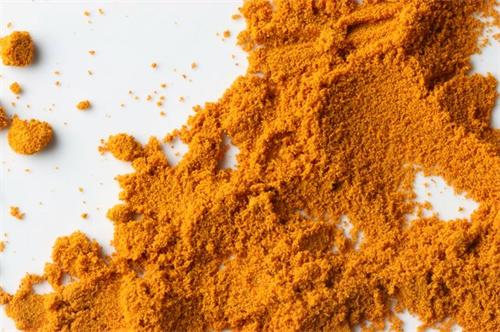
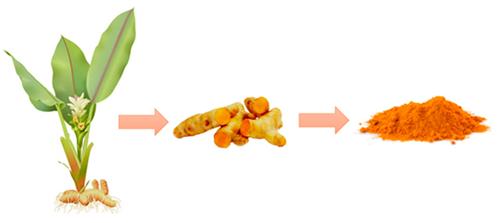
Turmeric (Curcuma longa) is a perennial herb from the ginger family. Its rhizome is the main edible and medicinal part, which, once dried and ground, becomes the bright golden “turmeric powder” found in kitchens. Turmeric is one of the key ingredients in curry, known for its vivid yellow color and slightly bitter taste.
By contrast, ginger (Zingiber officinale) has a plumper rhizome with pale yellow skin and light-yellow fibrous flesh inside, carrying a sharp and spicy flavor. Ginger contains compounds such as gingerols and zingerone, known for warming the body, relieving nausea, and aiding digestion. In cooking, it is often used to remove odors and enhance flavor in soups, teas, or stir-fries.
So, although both belong to the ginger family, they differ in appearance, taste, and bioactive compounds:
- Ginger: spicy, mainly aids digestion, reduces nausea, and warms the body.
- Turmeric: golden-yellow, contains curcumin, known for anti-inflammatory and antioxidant effects.
The Key Active Compounds in Turmeric: Curcumin and Curcuminoids
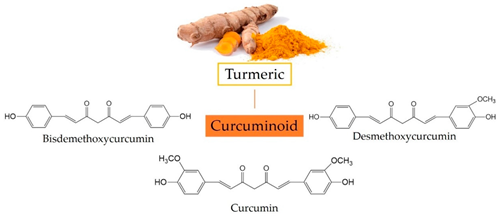
Turmeric has attracted attention primarily because of curcumin, its most notable bioactive compound. Turmeric powder contains about 2–5% curcuminoids, among which curcumin makes up 50–60%. In addition, turmeric contains essential oils, turmerones, and resins.
Curcumin, a polyphenolic compound, not only gives turmeric its distinct yellow color but is also responsible for most of its health effects. It is a powerful natural antioxidant that neutralizes free radicals while boosting the body’s antioxidant defenses. Studies suggest its antioxidant activity is about 2.1 times stronger than vitamin C and 1.5 times stronger than vitamin E.
Curcumin also exhibits strong anti-inflammatory properties. It can suppress inflammatory pathways (such as TLR4/NF-κB) and inhibit enzymes (like COX-2), essentially “cooling down” excessive inflammation. This is why it has been studied for conditions such as arthritis, metabolic syndrome, cardiovascular disease, and even depression.
Health Benefits of Curcumin: What Science Shows
1. Anti-Inflammatory and Pain Relief
Some studies suggest that at certain doses, curcumin’s anti-inflammatory effects may rival those of common drugs like ibuprofen or aspirin, and in some models, may even be more effective. Early clinical trials show that curcumin supplements can help reduce pain and swelling in patients with osteoarthritis and rheumatoid arthritis.
2. Antioxidant and Anti-Aging Effects
Free radicals are a major driver of cellular damage and aging. Curcumin not only neutralizes free radicals directly but also activates the body’s own antioxidant enzymes (such as SOD and CAT), enhancing cellular repair. Over time, this could help slow down the aging process.
3. Cardiovascular Protection
A study published in Aging found that curcumin improves endothelial function (the health of the thin layer lining blood vessels). Healthy endothelial function helps regulate blood pressure and reduces the risk of heart disease. Benefits have been observed in both postmenopausal women and patients with type 2 diabetes.
4. Potential Anticancer Properties
While there is not yet sufficient clinical evidence to claim that curcumin treats cancer, lab studies show that it can slow the proliferation and spread of cancer cells, and may trigger apoptosis (cell death). This remains an active area of research.
5. Support for Diabetes and Metabolic Syndrome
In one small study, curcumin combined with metformin helped further lower blood sugar levels in people with type 2 diabetes, suggesting potential benefits in metabolic disorders.
Turmeric vs. Curcumin: Absorption Matters
Here’s the catch: the human body absorbs curcumin very poorly.
Simply eating curry or adding a pinch of turmeric powder to food provides very little curcumin—far below the effective levels shown in studies. That’s why curcumin supplements are often emphasized for therapeutic purposes.
Ways to improve absorption include:
1. Pairing with black pepper: Piperine, a compound in black pepper, can boost curcumin absorption by up to 2000%.
2. Taking with fats: Since curcumin is fat-soluble, consuming it with oils such as coconut or olive oil improves absorption.
Curcumin Supplements and Dosage
Curcumin supplements come in capsules, tablets, or liquid extracts. To improve absorption, many include piperine or use advanced delivery systems like liposomal or nano-formulations.
According to the Joint FAO/WHO Expert Committee on Food Additives (JECFA), the safe daily intake is 3 mg per kilogram of body weight. For a 60 kg adult, that equals about 180 mg per day.
It’s also worth noting that lower-quality supplements may contain fillers such as wheat or corn, which could trigger allergies—so checking ingredient labels is important.
Safety and Precautions
Although natural, turmeric and curcumin are not risk-free. Caution is advised in the following cases:
1. Digestive sensitivity: Turmeric may increase stomach acid and cause discomfort in large amounts.
2. Gallbladder disease: Those with gallstones or bile duct obstruction should avoid high doses.
3. Drug interactions: People taking blood thinners (e.g., warfarin, aspirin) may face a higher bleeding risk if also taking curcumin.
4. Pregnancy and children: Evidence is insufficient for high-dose use; caution is advised.
It’s best to consult a doctor or nutritionist before starting curcumin supplements.
Turmeric vs. Curcumin: Which Works Better?
So, which is more effective for inflammation?
- Turmeric as a spice: Healthy in moderation, but with too little curcumin to deliver strong anti-inflammatory effects.
- Curcumin supplements: More effective for reducing chronic inflammation or conditions like arthritis, especially in forms optimized for absorption.
That said, supplements should never replace a healthy lifestyle. The best strategy is to combine a balanced diet, regular exercise, and, if needed, evidence-based supplementation under medical guidance—rather than relying solely on one compound.
Conclusion
Turmeric is an ancient spice from India and Southeast Asia, valued for centuries in both cooking and traditional medicine. Modern research highlights curcumin, its key bioactive compound, as having anti-inflammatory, antioxidant, cardiovascular, metabolic, and even anticancer potential. However, because curcumin is poorly absorbed, supplements are often more practical than relying on food sources alone.
Still, curcumin is not a “miracle cure.” Much more clinical research is needed to fully understand its effectiveness. The most reliable approach to health remains a science-based combination of good nutrition, active living, and thoughtful use of supplements when appropriate.
FAQ
Q1: Can I get enough curcumin from turmeric in food?
A1: No. The curcumin content in turmeric powder is very low (2–5%), so dietary intake alone usually does not reach therapeutic levels. Supplements are often necessary for strong anti-inflammatory effects.
Q2: How can I increase curcumin absorption?
A2: Pair curcumin with black pepper (piperine) or healthy fats (like olive or coconut oil). Advanced formulations like liposomal or nano-curcumin also enhance bioavailability.
Q3: What is a safe daily dosage of curcumin?
A3: The Joint FAO/WHO Expert Committee suggests up to 3 mg per kilogram of body weight daily. For a 60 kg adult, this is approximately 180 mg per day.
Q4: Are there any side effects or risks?
A4: High doses of turmeric or curcumin may cause stomach discomfort, interact with blood thinners, or be unsuitable for people with gallbladder issues. Pregnant women and children should exercise caution.
Q5: Should I rely on supplements alone for inflammation?
A5: No. A balanced diet, active lifestyle, and overall healthy habits remain the foundation. Supplements can support but not replace these measures.
References
1. Hewlings, S. J., & Kalman, D. S. (2017). Curcumin: A review of its effects on human health. Foods, 6(10), 92. [https://doi.org/10.3390/foods6100092]
2. Gupta, S. C., Patchva, S., & Aggarwal, B. B. (2013). Therapeutic roles of curcumin: Lessons learned from clinical trials. AAPS Journal, 15(1), 195–218. [https://doi.org/10.1208/s12248-012-9432-8]
3. Lao, C. D., et al. (2006). Dose escalation of a curcuminoid formulation. BMC Complementary and Alternative Medicine, 6, 10. [https://doi.org/10.1186/1472-6882-6-10]
4. Kunnumakkara, A. B., Bordoloi, D., Harsha, C., et al. (2017). Curcumin, the golden nutraceutical: Multitargeting for multiple chronic diseases. British Journal of Pharmacology, 174(11), 1325–1348. [https://doi.org/10.1111/bph.13621]
About the Author
Dr. Michael Reynolds, PhD, Nutritional Biochemistry and Integrative Medicine
Dr. Michael Reynolds is a nutritional biochemist and integrative medicine researcher specializing in phytochemicals, dietary supplements, and inflammation modulation. With over 12 years of experience in clinical nutrition research, he has published extensively on curcumin, polyphenols, and natural antioxidants. Dr. Reynolds also consults with healthcare providers on evidence-based dietary interventions for metabolic and inflammatory disorders.
Editorial Transparency Statement
This article was written based on peer-reviewed scientific studies and reputable sources. All information is presented independently, without influence or sponsorship from supplement manufacturers. References are provided for readers to verify and explore the evidence.
Disclaimer
This content is for educational and informational purposes only. It is not intended as medical advice and should not replace consultation with a qualified healthcare professional. Always consult your physician, nutritionist, or pharmacist before starting any supplement, especially if you have underlying health conditions, take medications, are pregnant, or are breastfeeding. The information herein is not intended to diagnose, treat, cure, or prevent any disease.
Recommend for you:

Food to Energy: A Step-by-Step Guide Through Your Digestive System
Understanding this journey—from the moment a bite enters your mouth to the point your cells extract energy—can help you make smarter nutritional choices, optimize your health, and maintain energy levels throughout the day.
The Hormonal Rollercoaster: Mapping Mental Health Across a Woman's Life (Puberty, PMDD, Pregnancy, Perimenopause)
A woman’s life can feel like riding a “hormonal rollercoaster,” with both body and mind experiencing constant ups and downs.
The Gut-Skin Connection: How Your Diet and Microbiome Influence Eczema and Psoriasis
When it comes to chronic skin conditions such as eczema and psoriasis, most people focus on topical creams, steroid treatments, or lifestyle triggers like stress.
Continuous Glucose Monitors (CGMs) for Non-Diabetics: Worth It?
With the rapid development of health technology, Continuous Glucose Monitors (CGMs) are no longer limited to people with diabetes—they’re now drawing attention from the general population.