
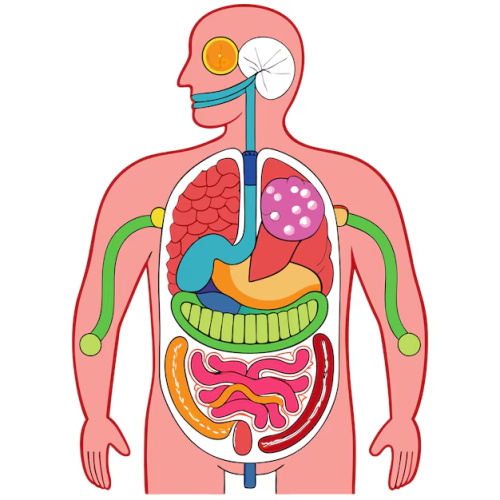
Food to Energy: A Step-by-Step Guide Through Your Digestive System

Reading Time: 12–15 minutes
Key Highlights
- How does digestion begin in the mouth, and why is chewing important?
- How does the stomach break down proteins and support nutrient absorption?
- What makes the small intestine the primary site for nutrient absorption, and how does gut microbiota contribute?
- How does the large intestine process waste and support colon health?
- How are carbohydrates, proteins, and fats metabolized into energy?
- What lifestyle habits optimize digestion, nutrient absorption, and energy levels?
- How can common digestive issues like acid reflux, constipation, or bloating be addressed?
Every day, the foods we eat are transformed into energy that fuels our bodies. Understanding this journey—from the moment a bite enters your mouth to the point your cells extract energy—can help you make smarter nutritional choices, optimize your health, and maintain energy levels throughout the day.
1. The Mouth: Where Digestion Begins
Digestion begins as soon as food reaches your mouth. Chewing breaks it into smaller pieces, while enzymes in saliva start the breakdown of carbohydrates, preparing the food for further processing down the digestive tract. Chewing, or mastication, physically breaks down food into smaller pieces, increasing the surface area for digestive enzymes to act. The salivary glands release saliva, which has digestive enzymes such as amylase that start converting starches into simpler sugars. Additionally, saliva contains mucus that moistens the food, helping it glide smoothly down the throat.
Health Insights:
- Chewing food thoroughly not only aids digestion but also improves nutrient absorption. Experts recommend chewing each bite 20–30 times for optimal breakdown.
- Saliva production is enhanced by staying hydrated and eating slowly. Avoid rushing meals, as insufficient chewing can cause bloating and poor digestion.
- Consuming mostly whole, unprocessed foods—such as fresh vegetables, fruits, and whole grains—promotes thorough chewing and stimulates saliva production, both of which are essential for starting digestion efficiently.
Advice:
- Avoid large bites and eat mindfully.
- Incorporating foods high in fiber, like apples, carrots, and nuts, can help increase saliva flow and support smooth, efficient digestion.
2. The Esophagus: A Smooth Passageway
After being chewed and shaped into a soft mass called a bolus, food travels down the esophagus, a flexible tube linking the mouth to the stomach. Muscular waves known as peristalsis propel the bolus forward, while the lower esophageal sphincter acts as a gatekeeper, preventing stomach acid from flowing backward and reducing the risk of heartburn.
Health Insights:
- Frequent acid reflux can damage the esophagus lining, leading to conditions such as gastroesophageal reflux disease (GERD).
- Maintaining a healthy body weight, avoiding large meals before bedtime, and reducing spicy or fatty foods can protect esophageal health.
Advice:
- Eat smaller, balanced meals rather than overeating.
- Limit acidic or fatty foods, especially late at night.
- Chew food properly to ease its passage through the esophagus.
3. The Stomach: Mixing and Breaking Down
In the stomach, food undergoes both mechanical and chemical digestion. Muscular contractions churn the food, mixing it with gastric juices. These juices contain hydrochloric acid (HCl), which denatures proteins, and pepsin, an enzyme that breaks proteins into smaller peptides. The acidic environment also kills harmful bacteria and pathogens that may be present in food.
Health Insights:
- Proper stomach acid levels are crucial for nutrient absorption. Low acid can lead to poor digestion, bloating, and nutrient deficiencies.
- Overuse of antacids or proton pump inhibitors may reduce acid production, impairing digestion.
Advice:
- Incorporate protein-rich foods such as lean meats, eggs, and legumes, which are efficiently digested in the stomach.
- Avoid drinking excessive water with meals, which can dilute stomach acid.
- Include fermented foods like yogurt or kefir to support gut microbiota, which interacts with gastric and intestinal digestion.
4. The Small Intestine: The Nutrient Absorption Powerhouse
The small intestine is where most of the magic happens. Comprising three sections—duodenum, jejunum, and ileum—it’s lined with tiny finger-like projections called villi, which increase surface area for nutrient absorption.
- In the duodenum, digestive enzymes from the pancreas (proteases, lipases, and amylases) and bile from the liver further break down proteins, fats, and carbohydrates.
- The jejunum is the primary site for absorption of sugars, amino acids, and fatty acids.
- The ileum absorbs vitamin B12, bile salts, and remaining nutrients.
Health Insights:
- Nutrient absorption depends on both digestive enzyme activity and a healthy intestinal lining. Conditions such as celiac disease, Crohn’s disease, or chronic inflammation can hinder absorption, leading to fatigue, anemia, or vitamin deficiencies.
- Gut microbiota in the small intestine play a key role in breaking down certain fibers and synthesizing essential vitamins like vitamin K and some B vitamins.
Advice:
- Eat a variety of fiber-rich foods to support healthy gut microbiota. Beneficial gut bacteria thrive on soluble fiber found in foods like oats, beans, and various fruits, helping to maintain a healthy digestive environment.
- Include healthy fats like olive oil, avocado, and nuts to aid the absorption of fat-soluble vitamins (A, D, E, K).
- Consider digestive enzyme supplements if you have chronic bloating or indigestion, but only under a healthcare provider’s guidance.
5. The Large Intestine: Water Absorption and Microbial Activity
After most nutrients are absorbed in the small intestine, the leftover material moves into the large intestine, or colon. In this section, water and minerals are reclaimed, and the remaining waste is gradually formed into stool. The colon hosts trillions of bacteria that ferment undigested fibers, producing short-chain fatty acids (SCFAs), which provide additional energy for colon cells and help maintain gut health.
Health Insights:
- A healthy colon microbiome is essential for digestion, immune regulation, and even mood balance. Imbalances in gut bacteria (dysbiosis) can lead to bloating, constipation, diarrhea, or metabolic issues.
- Staying hydrated is crucial because water absorption in the colon affects stool consistency and bowel regularity.
Advice:
- Adding prebiotic-rich foods like garlic, onions, asparagus, and bananas to your diet helps feed and support the growth of healthy gut bacteria.
- Incorporate probiotic foods like yogurt, kimchi, and sauerkraut to maintain microbial diversity.
- Drink enough water throughout the day (about 2–3 liters for most adults) to aid proper colon function and prevent constipation.
6. The Role of Metabolism: From Nutrients to Energy
Once nutrients are absorbed, they enter the bloodstream and are transported to cells throughout the body. Carbohydrates are broken down into glucose, which fuels cellular activity. Proteins provide amino acids for tissue repair and enzymes, while fats supply long-term energy and support cell membrane integrity.
Inside cells, glucose undergoes glycolysis, producing pyruvate, which enters the mitochondria to undergo the citric acid cycle. This process generates adenosine triphosphate (ATP), the energy currency of the body. Fats can be broken down via beta-oxidation to produce additional ATP, while excess proteins can be converted into glucose through gluconeogenesis.
Health Insights:
- Balanced macronutrient intake ensures stable energy levels throughout the day.
- Rapid increases in blood sugar caused by refined carbohydrates can result in quick energy drops and, over time, may raise the risk of developing insulin resistance.
Advice:
- Prioritize complex carbohydrates (whole grains, legumes, vegetables) over refined sugars for sustained energy.
- Include lean proteins and healthy fats in meals to stabilize blood sugar and support muscle and organ function.
- Try to eat regular meals, as skipping them can cause low energy levels and may trigger overeating at the next meal.
7. Practical Tips for Optimizing Your Digestive Health
Mindful Eating
Eating slowly, chewing thoroughly, and paying attention to hunger cues improve digestion and nutrient absorption. Mindful eating also reduces the risk of overeating and supports weight management.
Balanced Diet
A combination of carbohydrates, proteins, healthy fats, vitamins, and minerals ensures that all stages of digestion operate efficiently. Focus on a rainbow of fruits and vegetables for antioxidants and micronutrients.
Hydration
Water supports every step of digestion—from saliva production in the mouth to waste movement in the colon. Adequate hydration prevents constipation, improves enzyme function, and enhances overall metabolic efficiency.
Regular Physical Activity
Exercise stimulates peristalsis in the intestines, reduces bloating, and improves gut motility. Activities like walking, yoga, or cycling can make a noticeable difference in digestive comfort.
Stress Management
High stress levels affect digestion by slowing gastric emptying and altering gut microbiota balance. Mindfulness techniques, meditation, and adequate sleep support a healthy digestive system.
8. Common Digestive Issues and How to Address Them
- Acid Reflux/GERD: Avoid late-night meals, reduce caffeine and fatty foods, and maintain a healthy weight.
- Constipation: focus on eating more fiber-rich foods, drinking plenty of water, and maintaining regular physical activity to support bowel movements.
- Bloating and Gas: Limit processed foods, carbonated drinks, and consider probiotics or digestive enzymes if needed.
- Nutrient Deficiencies: If chronic fatigue or weakness occurs, consult a healthcare professional for possible deficiencies in iron, B12, vitamin D, or magnesium.
9. Key Takeaways
Understanding the journey of food from ingestion to energy production highlights how complex and efficient our bodies are. Every step—from chewing in the mouth to nutrient absorption in the small intestine and waste elimination in the colon—depends on healthy habits, balanced nutrition, and a supportive lifestyle.
By prioritizing whole foods, staying hydrated, eating mindfully, managing stress, and moving regularly, you not only enhance your digestion but also maximize your energy levels and overall well-being.
Your digestive system is like a well-orchestrated energy factory. What you eat, how you eat, and how you care for your body directly impact its efficiency. Treating your digestive system with respect through proper nutrition, hydration, and lifestyle choices ensures that the energy your body needs for daily activities, cognitive function, and long-term health is available when you need it most.
FAQ
1. How many times should I chew food for optimal digestion?
Experts recommend 20–30 chews per bite, depending on the food’s texture, to aid nutrient absorption and prevent bloating.
2. Can drinking water during meals affect digestion?
Yes, excessive water can dilute stomach acid, potentially reducing protein breakdown. Moderate sips are generally safe.
3. Can digestive enzyme supplements help?
They may help individuals with chronic bloating or malabsorption issues, but only under medical guidance to ensure appropriate use and dosage.
References
1. Martinsen, T. C., Bergh, K., & Waldum, H. L. (2020). Gastric juice: A barrier against infectious diseases. Basic & Clinical Pharmacology & Toxicology, 126(2), 91–98.
2. Quigley, E. M. M. (2021). Gut microbiome and digestive health. The Lancet Gastroenterology & Hepatology, 6(4), 298–310.
3. Slavin, J. L., & Lloyd, B. (2019). Health benefits of fruits and vegetables. Advances in Nutrition, 10(S1), S384–S392.
4. Tappy, L., & Lê, K.-A. (2019). Metabolic effects of fructose and other dietary sugars. Current Opinion in Clinical Nutrition & Metabolic Care, 22(4), 257–263.
5. Vannella, L., et al. (2021). Digestive enzymes and nutrient absorption: Clinical perspectives. World Journal of Gastroenterology, 27(30), 5022–5037.
6. U.S. National Institute of Diabetes and Digestive and Kidney Diseases (NIDDK). (2023). Digestive diseases. [https://www.niddk.nih.gov/health-information/digestive-diseases]
About the Author
Dr. Samuel Reynolds, MD, Gastroenterology and Metabolic Health
Dr. Samuel Reynolds is a gastroenterologist and clinical nutrition researcher with over 15 years of experience in digestive health, metabolism, and gut microbiome research. He has published extensively on nutrient absorption, digestive disorders, and the interplay between diet and metabolic function, and frequently contributes to professional medical journals and public health educational programs.
Editorial Transparency Statement
- This article is educational and informational only, reflecting current evidence from peer-reviewed studies and authoritative sources.
- No commercial influence or sponsorship affected the content.
- Readers should consult healthcare professionals for personalized advice on digestion, dietary adjustments, or management of digestive conditions.
Disclaimer
This content is for general informational purposes only and is not medical advice.
Always consult a qualified healthcare professional before making changes to diet, supplements, or lifestyle, especially if you have digestive or metabolic conditions.
Individual responses to foods, hydration, and supplements may vary.
The authors and publisher are not responsible for any outcomes resulting from the use of this information.
Recommend for you:
The Gut-Skin Connection: How Your Diet and Microbiome Influence Eczema and Psoriasis
When it comes to chronic skin conditions such as eczema and psoriasis, most people focus on topical creams, steroid treatments, or lifestyle triggers like stress.
From Innovation to Necessity: WHO Recognizes Semaglutide and Tirzepatide as Essential Drugs
Among the most striking updates in this globally significant document is the addition of two drugs that have attracted enormous attention from both the medical community and society in recent years—Semaglutide and Tirzepatide.
Perimenopause and Your Brain: Navigating Anxiety, Fog, and Mood Swings Before Menopause
When most people hear the term perimenopause, they immediately think of hot flashes, night sweats, or irregular periods.
Genetic Testing for Age-Related Diseases: Knowing Your Risks (Like APOE for Alzheimer's)
Among the many applications of genetic testing, assessing one’s risk for age-related diseases has gained particular attention.