The Gut-Skin Connection: How Your Diet and Microbiome Influence Eczema and Psoriasis

Reading Time: 12 minutes
Key Highlights
How do eczema and psoriasis differ, and what role does inflammation play in both?
What is the gut-skin axis, and how does gut health influence chronic skin conditions?
Which foods support a healthy gut microbiome and reduce skin inflammation?
What dietary and lifestyle factors may worsen eczema and psoriasis?
How can probiotics, prebiotics, and supplements aid in managing these skin conditions?
What emerging research is exploring microbiome-targeted therapies?
When it comes to chronic skin conditions such as eczema and psoriasis, most people focus on topical creams, steroid treatments, or lifestyle triggers like stress. While these strategies can help manage symptoms, emerging research suggests that the key to healthier skin may start deeper—within the gut. This intricate connection between the gut and the skin, often referred to as the “gut-skin axis,” highlights how diet, gut microbiome composition, and systemic inflammation can profoundly influence skin health.
Understanding Eczema and Psoriasis
Before diving into the gut-skin relationship, it is important to understand what eczema and psoriasis are. Both are chronic inflammatory skin conditions, but they differ in causes, manifestations, and severity.
Eczema (Atopic Dermatitis): Characterized by itchy, red, and inflamed patches of skin, eczema is linked to a compromised skin barrier and an overactive immune response. Individuals with eczema often experience flare-ups triggered by allergens, irritants, stress, or environmental factors. While genetics play a role, diet and gut health can influence inflammation and symptom severity.
Psoriasis: Psoriasis is an autoimmune disorder where the immune system mistakenly attacks skin cells, leading to rapid cell turnover and thick, scaly plaques. Psoriasis is systemic in nature, meaning it can be associated with inflammation in other parts of the body, such as joints (psoriatic arthritis) or the cardiovascular system. Emerging evidence suggests that gut microbiota imbalance may exacerbate immune dysregulation in psoriasis.
Although different in their mechanisms, both conditions share a common feature: chronic inflammation. And inflammation is often where the gut and skin intersect.
The Gut-Skin Axis Explained
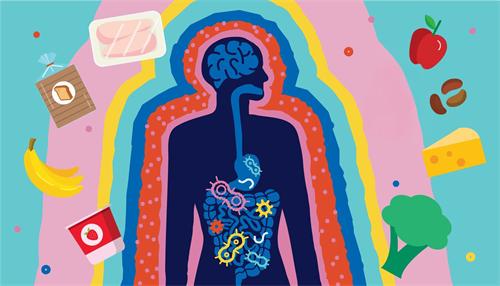
The gut-skin axis describes the two-way interaction in which the gut’s microbial community, immune responses, and skin health influence each other, creating a dynamic link between digestion and dermatological conditions. The gut houses trillions of microorganisms—bacteria, viruses, fungi, and other microbes—that influence digestion, nutrient absorption, and immune function. When this delicate microbial balance is disrupted, a state known as dysbiosis occurs, which can lead to systemic inflammation and contribute to skin disorders.
Several mechanisms explain the gut-skin connection:
1. Immune System Modulation: The gut microbiome trains and regulates the immune system. A healthy gut can promote tolerance, reducing overactive immune responses that can manifest as eczema or psoriasis. Conversely, dysbiosis can provoke immune hyperactivity, leading to skin inflammation.
2. Inflammatory Mediators: Certain gut bacteria produce metabolites such as short-chain fatty acids (SCFAs) like butyrate, which have anti-inflammatory properties. A decrease in these beneficial metabolites can exacerbate inflammation throughout the body, including in the skin.
3. Intestinal Permeability (“Leaky Gut”): Chronic stress, poor diet, infections, and certain medications can damage the gut lining, increasing intestinal permeability. When this occurs, toxins and partially digested food particles can enter the bloodstream, triggering systemic inflammation and potentially worsening skin conditions.
4. Nervous System Signaling: The gut communicates with the brain through the vagus nerve, influencing stress responses that can aggravate skin flare-ups. Stress is a well-documented trigger for both eczema and psoriasis, and the gut plays a mediating role.
How Diet Influences the Gut-Skin Axis
What we eat plays a key role in shaping the gut microbiome and controlling inflammation, making dietary choices a crucial factor in maintaining both gut and skin health. Certain foods can promote a healthy microbiome, while others may worsen dysbiosis and trigger skin flare-ups.
Foods That Support Skin and Gut Health
1. High-Fiber Foods: Fiber feeds beneficial gut bacteria, promoting SCFA production, which reduces inflammation. Include vegetables, fruits, legumes, whole grains, and nuts in your diet.
2. Fermented Foods: Fermented foods such as yogurt, kefir, kimchi, sauerkraut, and kombucha contain probiotics—live beneficial bacteria—that help restore microbial balance.
3. Polyphenol-Rich Foods: Berries, green tea, dark chocolate, and olive oil are rich in polyphenols, which act as antioxidants and prebiotics, feeding healthy gut microbes.
4. Omega-3 Fatty Acids: Fatty fish (salmon, mackerel, sardines), flaxseeds, chia seeds, and walnuts contain anti-inflammatory omega-3s that can modulate immune response and reduce skin inflammation.
5. Vitamin- and Mineral-Dense Foods: Vitamins A, C, D, E, and zinc are crucial for skin barrier function and immune regulation. Colorful vegetables, leafy greens, nuts, seeds, and fortified foods can provide these nutrients.
Foods That May Worsen Eczema and Psoriasis
1. Processed and High-Sugar Foods: High sugar intake can feed pathogenic gut bacteria, leading to dysbiosis and systemic inflammation. Sugary snacks, sodas, and refined grains are common culprits.
2. Excessive Dairy: Some individuals with eczema or psoriasis may be sensitive to certain dairy proteins, which can trigger inflammation. Monitor reactions and consider alternatives like plant-based milk.
3. Gluten: While not a trigger for everyone, gluten sensitivity may exacerbate psoriasis in some individuals due to immune-mediated mechanisms.
4. Highly Processed Oils and Trans Fats: Hydrogenated oils and fried foods can promote inflammation. Emphasizing anti-inflammatory fats like olive oil and omega-3s is preferable.
5. Alcohol: Alcohol can disrupt gut microbiota, increase gut permeability, and exacerbate systemic inflammation, potentially worsening skin flare-ups.
Personalized Diet Considerations
It is important to note that dietary triggers are highly individualized. Some people may find relief by following an elimination diet—systematically removing and reintroducing potential trigger foods under professional guidance—to identify personal sensitivities.
Probiotics, Prebiotics, and Supplements
Beyond diet, certain probiotics and prebiotics may benefit individuals with eczema or psoriasis by modulating gut bacteria and reducing inflammation:
- Probiotics: Strains like Lactobacillus rhamnosus, Bifidobacterium lactis, and Lactobacillus plantarum have shown potential in reducing eczema severity in clinical studies. For psoriasis, probiotics may help reduce systemic inflammation, though research is still emerging.
- Prebiotics: Prebiotics are types of fiber that the body cannot digest, but they serve as nourishment for healthy gut bacteria. They are naturally present in foods such as garlic, onions, leeks, asparagus, and bananas.
- Omega-3 Supplements: Fish oil supplements rich in EPA and DHA can help regulate immune responses and reduce skin inflammation.
- Vitamin D: Vitamin D deficiency is common in individuals with psoriasis. Adequate supplementation can support immune function and skin barrier health.
Always consult a healthcare professional before starting any supplement, as dosages and potential interactions vary.
Lifestyle Factors Affecting the Gut-Skin Axis
1. Stress Management: Chronic stress can disrupt the gut microbiome and worsen immune dysregulation. Practices such as meditation, yoga, deep breathing, or mindfulness can reduce flare-ups.
2. Adequate Sleep: Sleep deprivation increases inflammatory markers and can disrupt the gut microbiome.
3. Physical Activity: Regular exercise supports gut diversity, reduces systemic inflammation, and can improve mental well-being, which indirectly benefits skin health.
4. Avoiding Unnecessary Antibiotics: While antibiotics are essential in treating infections, overuse can disrupt the gut microbiome and contribute to long-term dysbiosis. Discuss alternative options with your healthcare provider when appropriate.
Monitoring and Tracking Progress
Managing eczema or psoriasis through gut-focused strategies requires patience and careful monitoring. Keep a journal to track:
- Foods consumed and potential triggers
- Severity and location of flare-ups
- Stress levels and sleep quality
- Supplement use and exercise patterns
Over time, patterns will emerge that can help identify triggers and effective interventions. Regular consultation with dermatologists, nutritionists, or functional medicine specialists can optimize results.
Emerging Research and Future Directions
Recent studies highlight the potential for microbiome-targeted therapies for chronic skin conditions:
- Fecal Microbiota Transplantation (FMT): Early research suggests that modifying gut microbiota directly could improve psoriasis symptoms, though this is still experimental.
- Topical Probiotics: Some studies indicate that applying probiotics directly to the skin may help restore microbial balance and reduce inflammation in eczema.
- Personalized Nutrition and Microbiome Testing: Advances in microbiome sequencing may enable individualized diet and supplement recommendations for managing chronic skin inflammation.
While these strategies are promising, more research is needed before they become mainstream treatments.
Practical Takeaways
1. Focus on Gut-Friendly Foods: Emphasize fiber, fermented foods, omega-3s, and antioxidants to nourish your microbiome and reduce systemic inflammation.
2. Identify Personal Triggers: Use elimination diets, journals, or professional guidance to determine which foods exacerbate your symptoms.
3. Consider Probiotics and Prebiotics: Incorporate probiotic-rich foods and prebiotics to promote a healthy gut-skin axis.
4. Manage Stress and Sleep: Prioritize mental health, relaxation techniques, and quality sleep to reduce flare-ups.
5. Consult Professionals: Work with dermatologists, dietitians, or functional medicine practitioners for personalized strategies.
6. Track Progress: Document dietary changes, lifestyle interventions, and symptom severity to identify effective strategies over time.
Conclusion
The connection between gut health and skin conditions like eczema and psoriasis underscores the importance of a holistic approach to chronic inflammation. While topical treatments and medications remain important, addressing the root causes within the gut can provide long-term benefits and potentially reduce flare-ups. By combining a nutrient-dense, anti-inflammatory diet with gut-supportive lifestyle habits, individuals can improve both their digestive and skin health.
Frequently Asked Questions (FAQs)
Q1: Can changing my diet alone cure eczema or psoriasis?
A: No. Diet can reduce inflammation and support symptom management but does not replace medical treatment.
Q2: Are probiotics safe for everyone with skin conditions?
A: Generally safe for most adults, but consult a healthcare provider if immunocompromised or taking medications.
Q3: How long does it take to see improvements from dietary changes?
A: Benefits may appear in weeks to months; consistent dietary and lifestyle changes yield the best results.
Q4: Is gluten harmful for all people with psoriasis?
A: Only for those with sensitivity or celiac disease. Gluten elimination should be personalized.
Q5: Can stress alone trigger skin flare-ups?
A: Yes. Stress can affect gut microbiome balance, immune regulation, and skin inflammation.
References
1. De Pessemier, B., Grine, L., Debaere, M., Maes, A., Paetzold, B., & Callewaert, C. (2021). Gut–skin axis: Current knowledge of the interrelationship between microbial dysbiosis and skin conditions. Microorganisms, 9(2), 353.
2. Navarro-López, V., Núñez-Delegido, E., Ruzafa-Costas, B., Sánchez-Pellicer, P., Agüera-Santos, J., & Navarro-Moratalla, L. (2024). The role of the gut microbiome and microbial dysbiosis in common skin diseases. International Journal of Molecular Sciences, 25(4), 1984. https://doi.org/10.3390/ijms25041984
3. Mourelle, M. L., Gómez, C. P., Legido, J. L., & Pereira, L. (2024). Role of nutribiotics in skin care. Applied Sciences, 14(8), 3505. https://doi.org/10.3390/app14083505
4. Singla, N., Singla, K., Attauabi, M., & Aggarwal, D. (2025). Gut-skin axis: Emerging insights for gastroenterologists-a narrative review. World Journal of Gastrointestinal Pathophysiology, 16(3), 108952. https://dx.doi.org/10.4291/wjgp.v16.i3.108952
5. Lai, X., Huang, J., Li, Y., & Dong, L. (2025). Symbiotic bacteria-mediated imbalance and repair of immune homeostasis: exploring novel mechanisms of microbiome-host interactions in atopic dermatitis. Frontiers in Immunology, 16, 1649857. https://doi.org/10.3389/fimmu.2025.1649857
About the Author
Alexandra Whitmore is a registered dietitian and clinical researcher specializing in dermatology and gut health. She has over 12 years of experience studying the gut microbiome’s impact on chronic inflammatory conditions, including eczema and psoriasis.
Editorial Transparency Statement
This article was researched and written with guidance from peer-reviewed studies, clinical trials, and evidence-based nutrition literature. Sources have been verified for credibility and recency. The content aims to educate readers and does not represent a substitute for individualized medical advice.
Disclaimer
The information provided is for educational purposes only. It is not intended as medical advice, diagnosis, or treatment. Always consult a licensed healthcare provider before making dietary, supplement, or treatment decisions related to eczema, psoriasis, or other medical conditions.
Recommend for you:

Aging and Anxiety: Why Worry Intensifies with Age and How to Break the Cycle
In traditional thinking, aging has long been regarded as a natural rhythm, unfolding slowly like the changing of the seasons.
Nutrition for Your Eyes: The Science Behind Lutein, Zeaxanthin, and Preventing Macular
Human beings are able to perceive the world with remarkable clarity thanks to the eyes, a finely tuned “optical instrument.”
Perimenopause and Your Brain: Navigating Anxiety, Fog, and Mood Swings Before Menopause
When most people hear the term perimenopause, they immediately think of hot flashes, night sweats, or irregular periods.
How Social Isolation Accelerates Anxiety in Older Adults
How does social isolation affect the brain, stress hormones, and cognition?