Aging and Anxiety: Why Worry Intensifies with Age and How to Break the Cycle
Reading Time: 8–10 minutes
Key Highlights
- Aging Is Not Linear: Research suggests “cliff-like” accelerations at key life stages
- Why Anxiety Increases: The combined effects of biology, stress, and social expectations
- Different Ages, Different Fears: From social comparison to health and mortality concerns
- Mindset Matters: How beliefs about aging shape real-life outcomes
- Breaking the Cycle: Practical strategies to reduce anxiety and regain control
- A New Perspective: Aging as growth, not decline
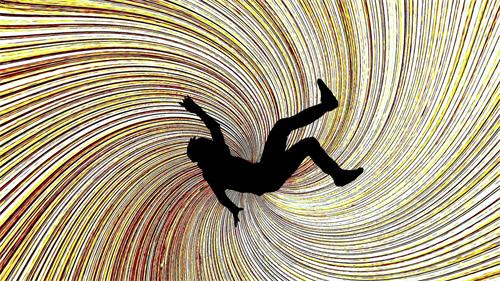
In traditional thinking, aging has long been regarded as a natural rhythm, unfolding slowly like the changing of the seasons. Yet modern scientific research paints a more complex picture. A large-scale study conducted by Stanford University with 4,263 participants revealed that aging does not progress at a steady pace. Instead, it accelerates abruptly at certain turning points in life—almost as if there are three steep “cliffs” along the journey: at ages 34, 60, and 78.
When people cross the threshold of 34, they often begin to notice visible changes in their body. Staying up late no longer comes without consequences, recovery from fatigue slows down, weight creeps upward, and fine lines appear on the skin. By 60, the risks of chronic illness rise sharply, and the decline of physical function speeds up. After 78, signs of frailty become much more pronounced, independence in daily life diminishes, and vulnerability to disease or injury increases.
This pattern brings an uncomfortable realization: aging may not always feel like a gentle, gradual slope—it can strike suddenly, in dramatic leaps. That “cliff-like” experience intensifies people’s fear of growing older and makes age-related anxiety a widespread phenomenon.
The Sources of Anxiety: A Double Assault from Body and Mind
Aging itself is a natural biological process. But in today’s fast-paced society, relentless work pressure, unhealthy habits, and cultural expectations amplify its impact, making it feel harsher and more threatening.
1. Hidden Risks in Lifestyle
When work and stress push people forward relentlessly, many turn to comfort foods—high in fat, sugar, and salt—for temporary relief. Overeating and poor diet not only strain the digestive system but also accelerate fat accumulation and raise cholesterol, quietly laying the groundwork for chronic diseases. Combined with sedentary routines and lack of exercise, these habits become invisible “accelerators” of aging.
2. The Erosion of Mental Stress
Living under constant tension causes the body to secrete excess stress hormones, particularly cortisol. Elevated cortisol over long periods weakens immunity, harms cardiovascular health, and contributes to faster physical decline. Beyond biology, mental strain magnifies uncertainty about the future, creating a cycle where stress feeds anxiety, and anxiety further damages health.
3. The Social Mirror Effect
Aging is not just a biological reality—it is also a cultural construct. Surveys show that people’s average perception of aging begins at 36.4 years old. Women tend to feel “old” earlier (around 35.4) compared with men (around 39.4). Particularly between the ages of 20 and 50, each five-year milestone sparks a spike in anxiety, followed by a short-lived period of relief. This means that in many cases, the fear of aging arrives before the body actually changes—it is a psychological burden amplified by social comparison and cultural narratives.
Age-Specific Patterns of Anxiety
Anxiety about aging is not static; its focus shifts with life stage.
1. Young Adults: Fear of Losing Control Over the Future
Surprisingly, surveys show that those aged 20 to 25 are among the most anxious about aging. Many of them define the beginning of “old age” as early as 33. For this group, worry often stems not from physical decline but from “social aging.” Seeing peers advancing in careers, getting married, or starting families while they themselves feel stuck or uncertain creates a fear of being “left behind” by the so-called social clock.
2. Midlife: Anxiety About Roles and Abilities
For middle-aged adults, the pressure doubles. They must maintain competitiveness at work while simultaneously carrying family responsibilities. They fear declining appearance, reduced stamina, and the possibility of losing professional relevance.
Harvard research shows that people over 40 learn new skills about 37% slower than those in their mid-twenties. But the real risk is not slower learning speed—it is rigidity of thinking. Many middle-aged workers fall back on past experience and resist new knowledge, which eventually leads to stagnation and career vulnerability.
3. Older Age: Health, Finance, and Mortality Anxiety
For the elderly, anxiety becomes more direct. The decline of physical function, growing risk of chronic disease, and concerns about financial security weigh heavily. Hearing loss, memory lapses, reduced mobility—these make individuals worry about becoming burdens to their families. The shrinking of social roles and the rise of loneliness fuel doubts about self-worth. Above all, the unknown and uncontrollable nature of death casts a shadow that deepens with each passing year.
Aging as a Mindset, Not a Fate
Becca Levy, a Yale professor and author of Breaking the Age Code, argues that aging is shaped more by cultural narratives than by biology. In her view, chronological age does not dictate the state of one’s life—attitude does.
Some people declare themselves “expired” at 30, while others are still reinventing their lives at 90. Whether aging equals decline depends largely on whether we allow social labels to limit our self-perception.
Research consistently shows that quality of life is determined less by biological function than by self-belief. Those who see age as a stage of opportunity continue to thrive, while those who surrender to stereotypes often withdraw prematurely. Aging does not have to mean losing—it can mean evolving, provided we refuse to define ourselves by numbers.
Breaking Free from Age Anxiety
Anxiety about aging is not inevitable. It can be understood, reframed, and transformed. Here are strategies to loosen its grip:
1. Redefine Value
When the thought “I am getting old” arises, ask: “What exactly am I afraid of losing? Do those losses erase my core value?” More often than not, the answer is no. Most fears come from external judgment rather than an authentic inner truth.
2. Leverage the Advantages of Age
With years come gifts—broader perspective, deeper understanding, and stronger emotional regulation. Books that once seemed dull in youth may resonate profoundly later. Crises that once provoked panic may now be met with calm. Emotional stability and mental maturity are among the richest rewards of growing older.
3. Cultivate Growth-Oriented Hobbies
Writing, painting, hiking, learning music—such pursuits foster a sense of continuity and meaning. Much age-related anxiety springs from emptiness and idle time. By investing energy in lifelong hobbies, we fill the inner void, giving structure to our days and reducing unease.
4. Keep Learning and Updating
In professional life, the real danger is not age but resistance to change. Learning a new language, picking up digital skills, or exploring emerging fields helps keep the mind flexible and preserves a sense of relevance. Continuous learning weakens the grip of stereotypes and strengthens personal confidence.
5. Practice Acceptance
The healthiest response is not to deny aging but to embrace it. Aging may strip away certain abilities, but it also grants wisdom, insight, and resilience. The meaning of life is not to fight against time but to live deeply within the time we have.
Aging Is Inevitable—But the Way We Age Is Our Freedom
Aging is written into biology, but how we experience it is our choice. Some people stop living fully at 30, while others continue reinventing themselves at 90. Ironically, our fear of aging proves our spirit remains young—for truly old souls no longer feel fear at all.
If we can learn to see age as a gift rather than a burden, every stage of life reveals new value. The process of aging need not amplify anxiety—it can enrich wisdom and nourish the spirit.
The best way to overcome age-related anxiety is not to fight time but to reconcile with ourselves. By turning accumulated years into depth of experience, by converting society’s gaze into inner strength, we can live a life that is not defined by numbers but by meaning.
FAQ
1. Is it normal to feel more anxious about aging as I get older?
Yes. Age-related anxiety is common and often increases due to:
- Greater awareness of health risks
- Increased responsibilities
- Social comparison and cultural expectations
However, it is manageable and not inevitable.
2. Why do younger people sometimes fear aging more than older adults?
Younger individuals often experience “anticipatory anxiety”—fear of the unknown. They may worry about:
- Career success
- Relationships
- Social expectations
Older adults, in contrast, often develop better emotional regulation and acceptance.
3. Can stress actually accelerate aging?
Yes. Chronic stress increases cortisol levels, which can:
- Weaken the immune system
- Affect cardiovascular health
- Contribute to faster biological aging
Managing stress is a key factor in healthy aging.
4. Is aging mostly physical or psychological?
Both—but research shows that mindset plays a powerful role. Positive beliefs about aging are associated with:
- Longer lifespan
- Better mental health
- Greater resilience
5. How can I reduce anxiety about getting older?
Effective strategies include:
- Staying physically active
- Continuously learning new skills
- Building meaningful social connections
- Reframing negative beliefs about aging
Consistency matters more than intensity.
6. At what age does aging “really” begin?
There is no fixed age. While some studies suggest biological shifts at certain points, aging is a continuous and highly individualized process influenced by genetics, lifestyle, and mindset.
About the Author
Daniel Whitmore, MSc Behavioral Health
Daniel Whitmore is a behavioral health researcher and science communicator specializing in aging, stress, and cognitive resilience. He holds a Master’s degree in Behavioral Health Sciences and has spent over a decade analyzing how psychological factors influence long-term well-being across different life stages.
His work focuses on translating academic research into practical insights for the public, particularly in areas such as anxiety management, healthy aging, and mindset transformation.
References
- Lehallier, B., et al. (2019). Undulating changes in human plasma proteome across the lifespan. Nature Medicine, 25(12), 1843–1850.
- Levy, B. R. (2022). Breaking the Age Code: How Your Beliefs About Aging Determine How Long and Well You Live. New York: HarperCollins.
- World Health Organization. (2022). Ageing and health.
- American Psychological Association. (2023). Stress effects on the body.
- OECD. (2023). Health at a Glance 2023: OECD Indicators. Paris: OECD Publishing.
- Mather, M., & Carstensen, L. L. (2020). Aging and motivated cognition: The positivity effect in attention and memory. Trends in Cognitive Sciences, 24(6), 496–507.
- Harvard Health Publishing. (2021). Memory and aging: What’s normal and what’s not. Harvard Medical School.
Editorial Transparency Statement
This article is intended for informational and educational purposes only.
- It is based on peer-reviewed research, institutional reports, and widely recognized psychological theories.
- The publisher does not promote or sell any medical or psychological products or services.
- No financial sponsorship or external influence has shaped the content of this article.
- While every effort has been made to ensure accuracy, readers should consult qualified professionals for personalized medical or mental health advice.
This article is for informational purposes only and does not constitute medical advice. Please consult a qualified healthcare professional for personalized guidance.
Recommend for you:
How Social Isolation Accelerates Anxiety in Older Adults
How does social isolation affect the brain, stress hormones, and cognition?
From Innovation to Necessity: WHO Recognizes Semaglutide and Tirzepatide as Essential Drugs
Among the most striking updates in this globally significant document is the addition of two drugs that have attracted enormous attention from both the medical community and society in recent years—Semaglutide and Tirzepatide.
Sex Differences in Inherited Diseases: Unlocking the Mystery
What is particularly intriguing is that certain hereditary diseases manifest differently between men and women.
Mushroom Adaptogens: Lion’s Mane, Reishi, and Cordyceps Explained
Beyond providing rich nutrition at the dinner table, certain “functional mushrooms” have gained recognition for their unique active compounds, which are believed to act as adaptogens.