
Sex Differences in Inherited Diseases: Unlocking the Mystery

Reading Time: 10–12 minutes
Key Highlights
- Why do some genetic diseases affect men more severely than women?
- What role do X and Y chromosomes play in disease inheritance?
- Which hereditary diseases are sex-linked, and how are they passed down?
- How do hormones like estrogen and testosterone modify disease expression?
- What preventive steps can individuals take if they have a family history of genetic conditions?
In human health, hereditary diseases have long been a subject of concern. They not only affect an individual’s physical and psychological well-being but can also be passed down through generations in a family. What is particularly intriguing is that certain hereditary diseases manifest differently between men and women: the same pathogenic gene may cause severe symptoms in men, while women may only be carriers; some diseases occur almost exclusively in men and rarely in women. The reasons behind these differences are closely linked to chromosomes, gene distribution, and the regulatory effects of sex hormones.
What Are Hereditary Diseases?
Hereditary diseases are caused by abnormalities in genetic material. In other words, when genes or chromosomes that control vital activities undergo mutations or structural abnormalities, disease may result. These can be broadly classified into two categories:
1. Monogenic disorders
Caused by mutations in a single gene, with clear inheritance patterns. Classic examples include hemophilia, sickle cell anemia, and cystic fibrosis.
2. Polygenic disorders
Caused by the interaction of multiple genes, often influenced by environmental and lifestyle factors. Many common diseases, such as diabetes, hypertension, and asthma, have a polygenic hereditary basis.
Chromosomal number or structural abnormalities can also lead to disease. For instance, Down syndrome (trisomy 21) arises from an extra copy of chromosome 21, while Turner syndrome results from a missing X chromosome in females (XO instead of XX).
Sex Chromosomes and the Roots of Sex Differences
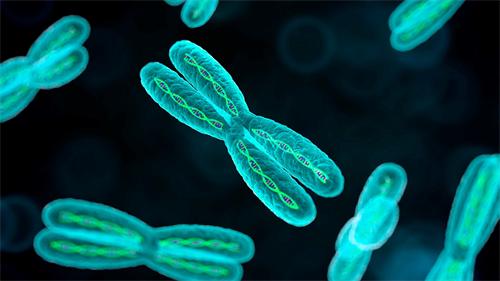
Humans have 23 pairs (46) of chromosomes: 22 pairs of autosomes and one pair of sex chromosomes. Females are XX, while males are XY. Genes are located at specific positions, called loci, on chromosomes. Any mutation in DNA structure can create a disease-causing gene.
The sex differences primarily stem from the X and Y chromosomes:
- Females have two X chromosomes. If one carries a mutation, the other can often compensate, making women more likely to be carriers without showing symptoms.
- Males have only one X chromosome. If it carries a mutation, the disease will manifest, since there is no second X for compensation. Additionally, men have a Y chromosome; if it harbors a pathogenic gene, it will be passed strictly from father to son.
This explains why many hereditary diseases are more common in men.
Different Patterns of Inheritance and Sex Differences
(1) Autosomal Inheritance
Genes on autosomes are inherited regardless of sex, so the risk is usually the same for men and women.
- Autosomal dominant inheritance: A single copy of a pathogenic gene from either parent can cause disease, with a 50% chance of transmission to children. Examples include neurofibromatosis, osteogenesis imperfecta, achondroplasia, and adult polycystic kidney disease.
- Autosomal recessive inheritance: Both parents must pass on the defective gene for the child to be affected. If both parents are carriers, the risk is 25%. Examples include sickle cell anemia, thalassemia, and phenylketonuria.
In these conditions, there are usually no significant sex differences.
(2) Sex-linked Inheritance
This refers to traits or diseases controlled by genes on the sex chromosomes. It is closely tied to biological sex and is further divided into:
X-linked inheritance
- X-linked recessive: Classic examples are hemophilia and red-green color blindness. Males with the defective gene will always express the disease, while females are often asymptomatic carriers unless both X chromosomes are affected.
- X-linked dominant: For example, vitamin D–resistant rickets. A single defective gene can cause disease in both sexes, but males often have more severe symptoms.
Y-linked inheritance
These conditions are transmitted only from father to son, known as “male-limited inheritance.” A classic example is hairy ears (hypertrichosis of the external ear).
(3) Sex-influenced Inheritance
Here, the genes are located on autosomes, but their expression is influenced by sex hormones, leading to different outcomes in men and women. For example:
- Male-pattern baldness: Although the gene is autosomal, higher androgen levels in men make the condition more prominent.
- Traits like finger length ratio or horn development in certain sheep also show strong sex-based differences.
(4) Sex-limited Inheritance
Some genes are present in both sexes but are expressed only in one. For example:
- Hypospadias: An autosomal recessive condition that manifests only in males, though females may carry the gene.
Case Studies of Classic Diseases
1. Hemophilia – A textbook X-linked recessive disease. Males are far more likely to be affected due to their single X chromosome, while most females are carriers.
2. Duchenne muscular dystrophy – Affects almost exclusively males, leading to progressive muscle weakness and premature death. Rare in females unless unusual genetic circumstances occur.
3. Hereditary baldness (androgenic alopecia) – More common in men, influenced by both autosomal genes and androgen levels.
4. G6PD deficiency (favism) – X-linked, leading to hemolytic anemia when exposed to fava beans or oxidative drugs. More frequent in men; women are often carriers.
5. Hairy ears – A Y-linked trait passed strictly from father to son.
Reading Time: 10–12 minutes
Key Highlights
- Why do some genetic diseases affect men more severely than women?
- What role do X and Y chromosomes play in disease inheritance?
- Which hereditary diseases are sex-linked, and how are they passed down?
- How do hormones like estrogen and testosterone modify disease expression?
- What preventive steps can individuals take if they have a family history of genetic conditions?
Why Are the Differences So Striking?
Several key factors explain the sex differences:
1. Chromosomal differences – Men lack a second X chromosome, so recessive defects manifest more readily.
2. Hormonal regulation – Hormone levels influence gene expression. For instance, high androgen levels in men increase the risk of baldness, while estrogen may provide women with protective effects.
3. Sex-limited and sex-influenced mechanisms – Some traits or diseases require specific hormones or anatomical structures to be expressed, limiting them to one sex.
Not All Hereditary Diseases Show Sex Differences
It is important to note that not all genetic disorders vary between sexes. For example:
- Cystic fibrosis
- Huntington’s disease
These autosomal disorders affect men and women equally.
The Interplay of Family History and Environment
The appearance of diseases across generations in a family does not always mean heredity is at play. Shared environmental factors and lifestyles (diet, smoking, alcohol use, stress) can also contribute to similar health problems. Determining whether a disease is genetic requires professional medical evaluation and genetic testing.
Coping and Prevention: What Can Be Done?
1. Know your family history – Helps assess potential risks early.
2. Genetic counseling – Useful for family planning and identifying risks through testing.
3. Healthy lifestyle – Avoid smoking and alcohol, maintain a balanced diet, and exercise regularly to reduce environmental triggers.
4. Early screening and intervention – Genetic testing, imaging, and lab tests can help detect risks early. Advances in medicine—such as drug therapies, gene therapy, and surgical interventions—have brought hope to many patients.
In conclusion, sex differences in hereditary diseases result from the combined effects of genes, chromosomes, and sex hormones. X-linked conditions make men more vulnerable, Y-linked traits pass exclusively through males, and sex-limited or sex-influenced inheritance highlights the interplay between genes and hormones. While hereditary diseases cannot be fully prevented, awareness, preventive strategies, and medical advances allow many of them to be effectively managed. Understanding these differences not only empowers patients and families but also provides valuable insights for modern medical research and treatment.
FAQ
1. Why are men more likely to develop certain genetic diseases?
Because men have only one X chromosome, any mutation on it is more likely to be expressed, whereas women may have a second healthy X chromosome that compensates.
2. Can women develop X-linked recessive diseases?
Yes, but it is rare. It usually requires mutations on both X chromosomes or specific genetic conditions such as X-inactivation abnormalities.
3. Are genetic diseases always inherited from parents?
Not always. Some mutations occur spontaneously (de novo mutations) and are not present in either parent.
4. Can lifestyle changes reduce the risk of hereditary diseases?
While genetics cannot be changed, lifestyle factors (diet, exercise, avoiding toxins) can influence how genes are expressed and may reduce disease severity.
5. Is genetic testing recommended for everyone?
Not necessarily. It is most useful for individuals with a strong family history of genetic conditions or those planning a family.
References
1. World Health Organization. (2023). Genomics and health. [https://www.who.int/health-topics/genomics]
2. Nussbaum, R. L., McInnes, R. R., & Willard, H. F. (2022). Thompson & Thompson Genetics in Medicine (10th ed.). Elsevier.
3. Institute of Medicine. (2022). Exploring the biological contributions to human health: Does sex matter? National Academies Press.
About the Author
Dr. Alexander Whitmore, MD, PhD
Dr. Whitmore is a clinical geneticist and researcher specializing in hereditary diseases and genomic medicine. He completed his medical degree at the University of Cambridge and holds a PhD in Human Genetics. With over 15 years of experience in clinical practice and research, his work focuses on genetic counseling, inherited disorders, and the role of sex differences in disease expression. He has contributed to multiple peer-reviewed journals and international medical guidelines.
Editorial Transparency Statement
This article is based on current scientific literature, clinical guidelines, and peer-reviewed research in genetics and endocrinology. The content is intended to provide educational insights into hereditary diseases and sex-based biological differences.
No commercial funding, sponsorship, or external influence was involved in the creation of this content. All references are selected for credibility, recency, and relevance to ensure accuracy and reliability.
Disclaimer
This article is for informational and educational purposes only and does not constitute medical advice, diagnosis, or treatment. Genetic conditions are complex and vary significantly between individuals.
Readers should consult qualified healthcare professionals or genetic counselors for personalized medical guidance, especially regarding genetic testing, diagnosis, or family planning decisions.
Recommend for you:
The Hormonal Rollercoaster: Mapping Mental Health Across a Woman's Life (Puberty, PMDD, Pregnancy, Perimenopause)
A woman’s life can feel like riding a “hormonal rollercoaster,” with both body and mind experiencing constant ups and downs.
How Sugar Alternatives Like Allulose and Monk Fruit Impact Health
As a result, sugar substitutes (sweeteners) have gained popularity and have made their way into beverages, snacks, baked goods, and even health supplements.
The Role of Nutrition in Brain Health: Foods That Fight Depression in Older Age
As we age, a combination of biological, psychological, and social changes can increase vulnerability to mood disorders.
The New Cancer Screening Guidelines: What You Need to Know About Colon, Breast, and Prostate Cancer
Even in today’s era of rapid medical advances, the word “cancer” still triggers a sense of unease. Whether in news reports or personal conversations, cancer is often associated with terms like “serious” and “difficult to treat.”