
The Role of Nutrition in Brain Health: Foods That Fight Depression in Older Age
Reading Time: 10 minutes
Key Highlights
- How does nutrition affect brain function and mood in older adults?
- Which nutrients and foods support neurotransmitter production and reduce inflammation?
- What role does the gut microbiome play in mental health?
- Which dietary patterns are most effective for reducing depression risk in older age?
- How can older adults implement practical strategies for brain-boosting nutrition?
Depression in later life is far more common than many people realize. As we age, a combination of biological, psychological, and social changes can increase vulnerability to mood disorders. Retirement, chronic illness, loss of loved ones, hormonal shifts, and changes in brain chemistry all play a role. While medication and therapy remain the cornerstones of treatment, an emerging body of evidence points to something often overlooked but highly influential: nutrition.
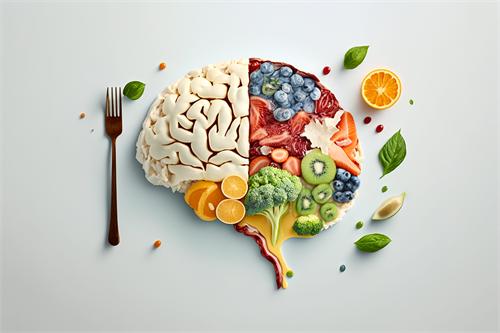
The foods we consume not only shape our physical health but also have a profound impact on how our brain functions. Nutrients serve as building blocks for neurotransmitters, protect brain cells from damage, and regulate inflammatory processes linked to mood disturbances. For older adults, where resilience may already be compromised, diet becomes even more essential in protecting mental well-being.
Why Nutrition Matters for the Aging Brain
1. Neurotransmitter Production
Serotonin, dopamine, and norepinephrine are chemicals that regulate mood. Their production depends on amino acids and micronutrients obtained from food. For example, tryptophan (found in turkey, eggs, and seeds) is the precursor to serotonin. Without sufficient nutritional input, neurotransmitter production may falter, contributing to mood instability.
2. Inflammation and Oxidative Stress
Chronic, low-grade inflammation is increasingly recognized as a driver of depression. Aging itself increases inflammatory markers, but diets high in processed foods, refined sugars, and trans fats can worsen the burden. Conversely, anti-inflammatory nutrients—like omega-3 fatty acids and antioxidants—help calm the immune response and protect neurons from oxidative damage.
3. Gut-Brain Connection
The community of microbes living in the digestive system interacts closely with the brain. This happens through chemical messengers as well as nerve pathways—especially the vagus nerve—which act like a communication bridge between the gut and the central nervous system. Poor dietary habits can disturb the balance of gut bacteria, leading to increased permeability (“leaky gut”) and inflammatory responses that affect mental health. Diets rich in fiber, fermented foods, and plant-based compounds nurture beneficial microbes, supporting more stable moods.
4. Vascular Health
Depression and cognitive decline often overlap, particularly in older adults. Since the brain is heavily dependent on an efficient blood supply, cardiovascular health directly influences mental well-being. Nutrients that promote circulation and prevent plaque buildup—like polyphenols from berries and flavonoids from dark chocolate—play a protective role.
Foods That Support Brain Health and Reduce Depression Risk
1. Fatty Fish (Salmon, Sardines, Mackerel)
Why: Rich in omega-3 fatty acids (EPA and DHA), which reduce inflammation, improve cell membrane fluidity, and enhance neurotransmitter signaling.
Evidence: Studies show older adults with higher omega-3 levels have a lower incidence of depressive symptoms. DHA, in particular, is concentrated in brain cell membranes, supporting communication between neurons.
Practical Tip: Aim for two servings per week. If fresh fish is expensive or unavailable, canned sardines or salmon are affordable, shelf-stable options.
2. Leafy Green Vegetables (Spinach, Kale, Swiss Chard)
Why: Provide folate, vitamin K, magnesium, and fiber. Folate deficiency is strongly linked to depression because it disrupts the methylation cycle necessary for neurotransmitter synthesis.
Evidence: A 2017 study in the journal Frontiers in Aging Neuroscience found that seniors who consumed leafy greens daily had slower cognitive decline and better mood stability.
Practical Tip: Add greens to soups, stews, omelets, or blend into smoothies to make them easier to consume regularly.
3. Legumes (Lentils, Chickpeas, Black Beans)
Why: Excellent sources of plant-based protein, B vitamins (particularly folate and B6), and complex carbohydrates that stabilize blood sugar.
Evidence: Maintaining stable blood sugar is crucial for the brain to function efficiently. In older adults, sudden spikes or drops in glucose can negatively affect mood and may contribute to feelings of depression or emotional instability.
Practical Tip: Cook a batch of lentils and use them as a base for salads, curries, or side dishes.
4. Nuts and Seeds (Walnuts, Flaxseeds, Chia Seeds, Pumpkin Seeds)
Why: Supply healthy fats, magnesium, zinc, and tryptophan. Magnesium plays a key role in calming the nervous system and helping the body manage stress effectively. Zinc deficiency has been linked with higher rates of depression.
Evidence: Walnuts are particularly beneficial—research has shown walnut consumers report lower levels of depression and greater optimism.
Practical Tip: Sprinkle seeds on oatmeal or yogurt; keep a small jar of nuts for snacks instead of reaching for processed foods.
5. Whole Grains (Oats, Quinoa, Brown Rice, Barley)
Why: Contain fiber, iron, and B vitamins, providing slow-release energy for the brain. Whole grains also feed beneficial gut bacteria, indirectly improving mood.
Evidence: Diets emphasizing whole grains (like the Mediterranean diet) correlate with a reduced risk of depression in seniors.
Practical Tip: Replace white rice with brown or wild rice; opt for steel-cut oats instead of instant versions.
6. Berries (Blueberries, Strawberries, Blackberries)
Why: Packed with flavonoids and vitamin C, berries reduce oxidative stress and support blood vessel function.
Evidence: Longitudinal studies suggest that high berry intake is associated with better mood regulation and lower cognitive decline in aging populations.
Practical Tip: Frozen berries retain most nutrients and can be added to yogurt, oatmeal, or smoothies year-round.
7. Fermented Foods (Yogurt, Kefir, Kimchi, Sauerkraut)
Why: Deliver probiotics that strengthen the gut microbiome, reduce inflammation, and enhance serotonin production.
Evidence: Trials show that probiotic supplementation can reduce depressive symptoms, particularly in older adults with mild to moderate depression.
Practical Tip: Choose plain, unsweetened yogurt or kefir and add fruit for natural sweetness.
8. Dark Chocolate (at least 70% cocoa)
Why: Contains flavonoids, magnesium, and compounds that trigger the release of endorphins.
Evidence: Moderate chocolate consumption has been linked to reduced depressive symptoms and improved cognitive performance in older adults.
Practical Tip: Enjoy a small square daily as a mindful treat—avoid high-sugar varieties.
9. Olive Oil and Avocados
Why: Rich in monounsaturated fats and antioxidants that protect neuronal integrity and reduce inflammation.
Evidence: The Mediterranean diet, where olive oil is the primary fat, consistently shows protective effects against depression.
Practical Tip: Use extra virgin olive oil as a salad dressing or for light cooking; add avocado slices to sandwiches or salads.
10. Green Tea
Why: Provides L-theanine (an amino acid that promotes calmness) and catechins (antioxidants).
Evidence: Several studies have linked green tea consumption with lower rates of depression in older populations, particularly in Japan.
Practical Tip: Replace one daily cup of coffee with green tea to avoid caffeine overload and gain additional mood benefits.

Dietary Patterns That Protect Mood
While specific foods are important, the overall way we eat—the general pattern of our diet—has the greatest impact on brain health. Two eating styles stand out:
Mediterranean Diet: Emphasizes vegetables, fruits, legumes, fish, olive oil, nuts, and moderate wine. Associated with lower depression risk and improved cognitive outcomes in older age.
MIND Diet (Mediterranean-DASH Intervention for Neurodegenerative Delay): The MIND diet is a specialized eating plan created to support cognitive function. It emphasizes foods such as leafy greens, berries, nuts, whole grains, fish, poultry, and olive oil, while allowing moderate wine consumption. Research indicates that following this diet can lower the likelihood of both depression and age-related cognitive decline.
Both approaches minimize processed foods, added sugars, and red meats, focusing instead on nutrient-dense, whole ingredients.
Practical Tips for Older Adults
1. Start Small: If dietary change feels overwhelming, begin by adding one brain-boosting food each week.
2. Cook Simply: Steaming, roasting, or lightly sautéing preserves nutrients without requiring elaborate recipes.
3. Plan Ahead: Stocking up on frozen fish, vegetables, and berries ensures healthy options are always available.
4. Stay Hydrated: Even mild dehydration can worsen fatigue and low mood. Aim for adequate water intake.
5. Limit Alcohol: While small amounts of red wine may fit within Mediterranean patterns, excessive alcohol increases depression risk.
6. Pair Nutrition with Lifestyle: Combine dietary improvements with exercise, social interaction, and cognitive engagement for maximum benefit.
When to Seek Professional Guidance
Nutrition plays a significant role, but it is not a substitute for professional treatment of depression. If an older adult experiences persistent sadness, withdrawal, or hopelessness lasting more than two weeks, they should seek help from a healthcare provider. A registered dietitian specializing in geriatric nutrition can also design personalized meal plans, especially for those with chronic conditions like diabetes or cardiovascular disease.
Conclusion
The connection between diet and mental well-being is especially important for brain health. As we grow older and the risk of depression rises, choosing nutrient-rich foods can play a key role in both preventing and alleviating mood disorders.
By nourishing the body, we nourish the mind, reminding us that the path to happiness and vitality in older age begins at the dinner table.
FAQ
Q1: Can diet alone prevent depression in older adults?
A1: While nutrition is important, it cannot replace professional treatment for depression. It works best as part of a holistic approach including therapy, medication if needed, exercise, and social engagement.
Q2: Which foods are most strongly linked to improved mood in seniors?
A2: Fatty fish, leafy greens, berries, legumes, nuts and seeds, fermented foods, whole grains, dark chocolate, olive oil, avocado, and green tea have shown evidence for supporting brain health and reducing depression risk.
Q3: Are supplements necessary to achieve these benefits?
A3: Whole foods are preferred, but supplements (like omega-3s or probiotics) may be helpful if dietary intake is insufficient, under guidance from a healthcare professional.
Q4: What are the best dietary patterns for brain health?
A4: Mediterranean and MIND diets, which emphasize vegetables, fruits, nuts, fish, whole grains, and olive oil while limiting processed foods, added sugar, and red meats, are associated with lower depression risk.
Q5: How can older adults start improving their diet safely?
A5: Start small, add one brain-boosting food per week, cook simply, plan meals ahead, stay hydrated, limit alcohol, and pair nutrition changes with lifestyle strategies such as physical activity and social engagement.
References
1. Jacka, F. N., O’Neil, A., Opie, R., Itsiopoulos, C., Cotton, S., Mohebbi, M., ... & Berk, M. (2017). A randomised controlled trial of dietary improvement for adults with major depression (the ‘SMILES’ trial). BMC Medicine, 15, 23. [https://doi.org/10.1186/s12916-017-0791-y]
2. Grosso, G., Galvano, F., Marventano, S., Malaguarnera, M., Bucolo, C., Drago, F., & Caraci, F. (2014). Omega-3 fatty acids and depression: Scientific evidence and biological mechanisms. Oxidative Medicine and Cellular Longevity, 2014, 313570. [https://doi.org/10.1155/2014/313570]
About the Author
Dr. Elizabeth Harper, PhD, Nutritional Neuroscience and Geriatric Health
Dr. Elizabeth Harper is a neuroscientist and registered dietitian specializing in brain health, mental wellness, and aging. With over 15 years of experience in clinical research and public health nutrition, she has published extensively on diet-based interventions for mood disorders and cognitive decline in older adults.
Editorial Transparency Statement
This article was developed based on peer-reviewed research, clinical studies, and authoritative nutrition sources. The content is written independently and is not influenced by supplement or food manufacturers. References are included to allow readers to verify the evidence and explore further. The purpose is to provide accurate, clear, and practical guidance on nutrition for brain health in older adults.
Disclaimer
This content is for educational purposes only and is not a substitute for professional medical advice, diagnosis, or treatment. Always consult a qualified healthcare provider before making significant changes to diet, lifestyle, or treatment for depression. The information provided is not intended to diagnose, treat, cure, or prevent any disease.
Recommend for you:
The New Cancer Screening Guidelines: What You Need to Know About Colon, Breast, and Prostate Cancer
Even in today’s era of rapid medical advances, the word “cancer” still triggers a sense of unease. Whether in news reports or personal conversations, cancer is often associated with terms like “serious” and “difficult to treat.”
Aging and Anxiety: Why Worry Intensifies with Age and How to Break the Cycle
In traditional thinking, aging has long been regarded as a natural rhythm, unfolding slowly like the changing of the seasons.
Can Supplements Help with Genetic and Metabolic Disorders?
Many people are becoming aware that health is not one-size-fits-all; genetics, lifestyle, and environmental factors interact to influence an individual’s risk for disease and their overall wellness.
Turmeric vs. Curcumin: Which Is More Effective for Inflammation?
What exactly is turmeric? What is curcumin? How do they differ?