
Continuous Glucose Monitors (CGMs) for Non-Diabetics: Worth It?
Reading Time: 8–10 minutes
Key Highlights
What exactly does a CGM measure—and how accurate is it?
Why are CGMs essential for people with diabetes but controversial for healthy users?
Can tracking glucose improve fitness, diet, or longevity in non-diabetics?
Who might actually benefit from CGMs outside of diabetes?
Are glucose spikes always harmful, or sometimes normal?
With the rapid development of health technology, Continuous Glucose Monitors (CGMs) are no longer limited to people with diabetes—they’re now drawing attention from the general population. More and more people, especially fitness enthusiasts, low-carb diet followers, and those simply curious about their bodies, are starting to use CGMs to track daily blood glucose fluctuations. But do non-diabetics really need this device?
What Is a Continuous Glucose Monitor?
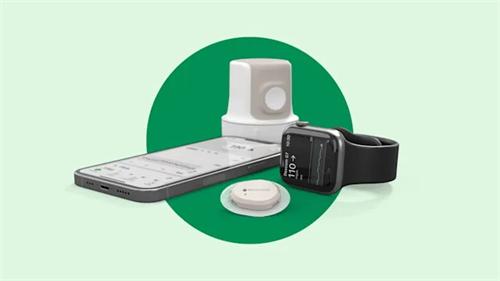
CGMs were originally developed for people with diabetes, particularly those with type 1 diabetes who require frequent insulin injections. Traditional blood glucose testing involves finger-pricking multiple times a day, which is inconvenient and uncomfortable. CGMs revolutionized this process: a patch with a tiny probe attaches to the upper arm, where the probe gently inserts under the skin to measure glucose levels in the interstitial fluid (ISF). The data is then transmitted to a smartphone app or receiver. Users can continuously track glucose trends without repeated finger sticks.
It’s important to note that CGMs measure glucose in ISF, not directly in the blood. While ISF closely reflects blood glucose, there is usually a 10–20 minute delay. This means CGMs are better suited for monitoring trends and fluctuations rather than providing an instant, precise glucose reading.
Why CGMs Are Crucial for Diabetic Patients
For people with diabetes, CGMs can be lifesaving. Key benefits include:
1. Reducing the pain of frequent finger-pricks: Patients can more easily track glucose trends.
2. Real-time alerts for high or low glucose: Especially helpful at night or when symptoms are absent, preventing dangerous episodes.
3. Treatment optimization: Long-term data allows doctors to fine-tune insulin dosing, diet, and exercise plans.
4. Uncovering hidden fluctuations: Even when glucose looks stable on the surface, patients may have post-meal spikes or nighttime dips. CGMs make these hidden risks visible.
For people with diabetes, CGMs are an indispensable tool.
Why Would Healthy People Want to Use a CGM?
Although CGMs weren’t designed for non-diabetics, rising health awareness has made them attractive as a kind of “self-experimentation tool.” Motivations include:
1. Athletic performance
Endurance athletes use CGMs to ensure stable energy supply during training or competition. Low glucose can cause fatigue, while excessively high glucose may affect performance.
2. Low-carb or ketogenic diets
Some dieters use CGMs to track which foods disrupt ketosis and avoid “falling out of keto.”
3. Chronic disease prevention
Research suggests that sharp post-meal glucose spikes are linked to higher risks of diabetes, cardiovascular disease, certain cancers, and even all-cause mortality. People use CGMs to minimize these peaks.
4. Raising health awareness
Real-time feedback can change eating habits. For instance, while white rice may cause sharp spikes, whole grains often result in gentler rises. CGMs help people understand individual metabolic differences and adjust diets accordingly.
For non-diabetics, CGM use is more about curiosity and optimization than medical necessity.

Potential Downsides and Psychological Burden
1. Complex data interpretation
Glucose curves are rich in information but lack standardized interpretation. For example, Boston University epidemiologist Nicole Spartano found her glucose stayed steady when she ate rice quickly, but spiked when she chewed slowly—leading to potentially misleading conclusions if interpreted superficially.
2. Anxiety and obsession
CNN reporter Brenda Goodman reported developing food anxiety after six weeks on a CGM. Constantly checking the app, she worried about apples or rice causing spikes. The app even suggested post-meal squats to lower glucose, creating unhealthy pressure.
3. False positives or misleading results
The ISF-blood delay, sensor placement, and individual variability can cause discrepancies, sometimes triggering unnecessary concern.
4. Physical discomfort and cost
Wearing a CGM involves a skin puncture, which may cause irritation, allergic reactions, or infection. Additionally, CGMs are expensive and usually not covered by insurance unless prescribed for diabetes. For healthy users, it’s an out-of-pocket expense.
What Doctors Say: Is It Necessary for Non-Diabetics?
Endocrinologists generally agree: CGMs are vital for people with diabetes but have limited value for the general population.
- Healthy individuals typically experience only mild glucose fluctuations, not dangerous swings.
- High-risk groups (obesity, family history of diabetes, metabolic syndrome, or history of gestational diabetes) may benefit more.
- Small glucose variations in healthy people aren’t significant enough to make CGM central to health management.
Some doctors bluntly state: “For non-diabetics, frequent glucose monitoring is almost meaningless—it wastes money and may even create anxiety.”
Misconceptions About Glucose Monitoring
To decide whether CGMs are worthwhile for non-diabetics, it’s important to clear up common myths:
1. Glucose rise ≠ disease
A post-meal rise is a normal physiological response. As long as insulin regulates it back to baseline, there’s no need for alarm.
2. Individual differences matter
The same bowl of rice may spike one person’s glucose while barely affecting another’s—depending on insulin sensitivity, gut microbiota, or even meal sequence.
3. Lifestyle is more important than monitoring
Balanced diet, exercise, weight management, and sleep are the true pillars of prevention. Without proper interpretation, CGM data may mislead rather than help.
Who Should Consider CGMs?
- Essential: Type 1 diabetes patients; insulin-dependent type 2 diabetes patients.
- Optional: Pre-diabetics or high-risk individuals (obesity, family history, metabolic syndrome, gestational diabetes).
- Not recommended: Healthy people with normal glucose and no major risk factors—especially if just out of curiosity or trend-following.
For Non-Diabetics, CGMs Are More “Psychological Experience” Than “Medical Necessity”
CGMs are a breakthrough technology and a lifesaver for people with diabetes. For the average healthy person, however, they’re more of a health experiment than a medical requirement.
They can offer insights into food responses but come with challenges—interpretation difficulties, anxiety, and high costs. Without risk factors, relying too much on CGMs may do more harm than good.
Ultimately, what matters most isn’t tracking every glucose fluctuation, but building sustainable healthy habits: balanced eating, regular exercise, weight management, and good sleep. These lifestyle foundations—not constant monitoring—are what truly lower long-term disease risk.
In other words, while CGMs may be an interesting tool for self-discovery, they’re far from essential for non-diabetics. Rational use, without falling into “tech-driven health anxiety,” is the smarter path.
FAQ
1. Can CGMs help healthy people lose weight?
Possibly, but indirectly. They may increase awareness of how foods affect glucose, but sustainable weight loss still depends on diet, activity, and overall lifestyle—not glucose tracking alone.
2. Are glucose spikes dangerous for healthy individuals?
Short-term spikes after meals are normal. Concern arises only if spikes are frequent, prolonged, or paired with insulin resistance or metabolic risk factors.
3. Can CGMs replace routine blood tests?
No. CGMs do not replace laboratory tests such as fasting glucose, HbA1c, or oral glucose tolerance tests, which remain the gold standard for diagnosis.
4. Are there risks to wearing a CGM?
Minor risks include skin irritation, infection at the insertion site, and psychological stress from over-monitoring.
References
1. American Diabetes Association. (2024). Standards of care in diabetes—2024. Diabetes Care, 47(Supplement_1), S1–S350. [https://doi.org/10.2337/dc24-Sint]
2. Hall, H., Perelman, D., Breschi, A., Limcaoco, P., Kellogg, R., McLaughlin, T., & Snyder, M. (2021). Glucotypes reveal new patterns of glucose dysregulation. PLOS Biology, 16(7), e2005143. [https://doi.org/10.1371/journal.pbio.2005143](https://doi.org/10.1371/journal.pbio.2005143)
3. World Health Organization. (2023). Diabetes and metabolic health. [https://www.who.int/health-topics/diabetes]
About the Author
Ethan Caldwell
Ethan Caldwell is a health writer and preventive wellness researcher focused on metabolic health, wearable technology, and evidence-based lifestyle optimization. With a background in public health communication and over a decade of experience analyzing clinical research and emerging health trends, he specializes in translating complex medical topics into practical, accessible insights for everyday readers.
Editorial Transparency Statement
This article is based on peer-reviewed research, clinical guidelines, and public health resources related to glucose monitoring and metabolic health. It is intended to provide balanced, evidence-based insights into the use of continuous glucose monitoring in both clinical and non-clinical populations.
No commercial affiliations or device manufacturers influenced the content. All sources are selected for credibility, recency, and scientific relevance.
Disclaimer
This content is for informational purposes only and does not constitute medical advice, diagnosis, or treatment. Continuous glucose monitors are medical devices primarily intended for individuals with diabetes and should be used under the guidance of a healthcare professional when appropriate.
If you have concerns about blood sugar, metabolism, or potential diabetes risk, consult a qualified healthcare provider for personalized evaluation and recommendations.
Recommend for you:
The New Cancer Screening Guidelines: What You Need to Know About Colon, Breast, and Prostate Cancer
Even in today’s era of rapid medical advances, the word “cancer” still triggers a sense of unease. Whether in news reports or personal conversations, cancer is often associated with terms like “serious” and “difficult to treat.”
Continuous Glucose Monitors (CGMs) for Non-Diabetics: Worth It?
With the rapid development of health technology, Continuous Glucose Monitors (CGMs) are no longer limited to people with diabetes—they’re now drawing attention from the general population.
Mushroom Adaptogens: Lion’s Mane, Reishi, and Cordyceps Explained
Beyond providing rich nutrition at the dinner table, certain “functional mushrooms” have gained recognition for their unique active compounds, which are believed to act as adaptogens.
From Innovation to Necessity: WHO Recognizes Semaglutide and Tirzepatide as Essential Drugs
Among the most striking updates in this globally significant document is the addition of two drugs that have attracted enormous attention from both the medical community and society in recent years—Semaglutide and Tirzepatide.