
Is It Stress, Allergies, or Something Else? A Guide to Decoding Adult-Onset Rashes
Reading Time: 9–11 minutes
Key Highlights
- How can you tell if a rash is caused by stress, allergies, or infection?
- What are the most common triggers of adult-onset rashes?
- How do conditions like eczema, psoriasis, and urticaria differ in appearance and cause?
- What warning signs suggest a rash may be linked to a systemic illness?
- What practical steps can help prevent or manage recurring skin reactions?
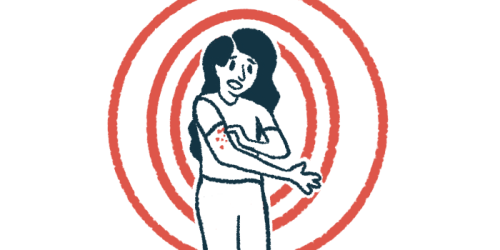
Rashes are a common yet often puzzling health concern. While many associate rashes with childhood illnesses, adult-onset rashes are surprisingly frequent and can be triggered by a wide range of factors, from stress and allergies to infections and systemic diseases. For adults, a sudden rash can feel alarming—not only because of discomfort or cosmetic concern but also because it may signal an underlying health issue that requires attention.
Understanding Adult-Onset Rashes
Adult-onset rashes refer to skin reactions that appear for the first time in adulthood, typically after the age of 18. Unlike childhood rashes, which often have predictable patterns and causes, adult rashes can be more complex due to lifestyle, hormonal changes, environmental exposures, and chronic health conditions.
Rashes may appear as redness, bumps, hives, blisters, scaling, or even discoloration of the skin. They may be localized to a specific area, such as the hands or face, or widespread across the body. Symptoms can range from mild itching or irritation to severe pain, swelling, or systemic signs like fever and fatigue.
Identifying the underlying cause is critical because treatment varies widely depending on whether the rash is caused by stress, allergies, infections, medications, or chronic medical conditions.
Common Triggers of Adult-Onset Rashes
1. Stress-Related Rashes
Emotional and physical stress can significantly affect the body, and the skin is often one of the first areas to show these effects. When an individual experiences emotional or physical stress, the body releases stress hormones such as cortisol, which can trigger or worsen skin conditions. Stress-related rashes often include:
- Hives (Urticaria): Raised, red, itchy welts that can appear suddenly and disappear within hours or days. Stress can exacerbate chronic hives, which may recur unpredictably.
- Eczema (Atopic Dermatitis): While eczema often starts in childhood, it can develop in adulthood under the influence of stress. Flare-ups may include redness, dryness, and intense itching.
- Psoriasis Flares: Psoriasis, an autoimmune condition, may worsen during periods of high stress, causing red, scaly plaques that can be painful or itchy.
Stress-related rashes are often cyclical and may coincide with periods of emotional strain, work pressure, or lack of sleep. They are usually temporary but can become chronic if stress persists.
2. Allergic Reactions
Allergies are among the most common causes of sudden rashes in adults. An allergic reaction occurs when the immune system overreacts to a substance (allergen) that is normally harmless. Common triggers include:
- Food Allergies: Nuts, shellfish, dairy, eggs, and certain fruits can cause hives or generalized skin swelling.
- Medication Allergies: Antibiotics (like penicillin), nonsteroidal anti-inflammatory drugs (NSAIDs), and certain blood pressure medications may induce rashes.
- Environmental Allergies: Pollen, pet dander, dust mites, and mold can trigger eczema or urticaria.
- Contact Allergens: Skin contact with nickel, fragrances, latex, detergents, or certain cosmetics may cause contact dermatitis—a red, itchy, and sometimes blistered rash localized to the area of exposure.
Allergic rashes may develop rapidly, often within minutes to hours of exposure, and can range from mild irritation to life-threatening reactions such as anaphylaxis, which requires immediate medical attention.
3. Infection-Related Rashes
Rashes in adults may sometimes be a symptom of infections—viral, bacterial, or fungal. Key examples include:
- Viral Rashes: Certain viral infections can lead to noticeable changes in the skin. For example, shingles, caused by the reactivation of the varicella-zoster virus, typically produces a painful, blistering rash that appears on one side of the body, often following the path of a nerve.
- Bacterial Infections: Bacterial infections of the skin can result in redness, swelling, and in some cases, the formation of pus-filled lesions. Conditions like cellulitis or impetigo often develop quickly and can spread if left untreated.
- Fungal Infections: Ringworm (tinea) and yeast infections can produce circular, scaly rashes that are itchy and persistent.
Infectious rashes are often accompanied by other symptoms such as fever, fatigue, or pain and may require diagnostic tests to confirm the cause.
4. Medication-Induced Rashes
Some medications can trigger rashes as a side effect or as part of a hypersensitivity reaction. Common culprits include antibiotics, anticonvulsants, and chemotherapy drugs. These rashes may appear as widespread red spots, hives, or blistering and can be accompanied by systemic symptoms such as fever or joint pain.
5. Chronic Medical Conditions
Certain systemic illnesses manifest with skin changes:
- Autoimmune Diseases: Lupus, psoriasis, and dermatomyositis often cause rashes that may precede other symptoms such as joint pain or fatigue.
- Hormonal Changes: Fluctuations in estrogen, testosterone, or thyroid hormones can affect skin appearance, sometimes resulting in acne-like eruptions or rashes.
- Liver or Kidney Disease: Jaundice and uremic pruritus are skin manifestations of liver and kidney dysfunction, respectively.
Identifying these conditions early is essential, as the rash may be the first sign of a broader health issue.
Decoding Your Rash: What to Look For
Onset and Duration: How quickly the rash appeared and how long it lasts. Rapid-onset rashes after exposure to a new food, drug, or environmental factor may indicate an allergy, whereas gradual, persistent rashes could signal a chronic condition.
Appearance: Hives, blisters, scaling, redness, or dark spots each suggest different causes. Eczema is usually dry and scaly; contact dermatitis often appears where the skin touched the irritant; viral rashes may have a specific pattern or distribution.
Location: Rashes on the face, hands, or flexural areas may suggest eczema, while rashes along a nerve path (like shingles) have a characteristic pattern.
Associated Symptoms: Fever, joint pain, fatigue, or gastrointestinal symptoms may indicate a systemic issue rather than a simple skin irritation.
Triggers: Consider recent stress, new foods, medications, skincare products, or environmental exposures.
Keeping a “rash diary” can be helpful—document when it appears, what you ate, medications taken, stress levels, and environmental exposures. This record can assist healthcare providers in diagnosing the cause more accurately.
When to Seek Medical Attention
While many rashes are mild and self-limiting, certain signs indicate the need for professional evaluation:
- Rash accompanied by fever, swelling, or difficulty breathing (possible severe allergic reaction or infection).
- Painful or rapidly spreading rash.
- Blisters or open sores that do not heal.
- Rashes recurring despite over-the-counter treatments.
- Skin changes with systemic symptoms such as joint pain, fatigue, or jaundice.
Early intervention can prevent complications and improve outcomes, particularly for infections, autoimmune diseases, or severe allergic reactions.
Practical Health Advice for Managing Adult-Onset Rashes
1. Stress Management
Since stress can trigger or exacerbate rashes, adopting strategies to reduce stress can be highly beneficial:
- Practice mindfulness meditation or deep-breathing exercises.
- Engage in regular physical activity to release tension.
- Maintain a consistent sleep schedule to support skin and immune health.
- Seek professional support, such as counseling or psychotherapy, if stress or anxiety continues to affect your daily life or triggers physical symptoms like skin flare-ups.
2. Allergen Avoidance
If allergies are suspected:
- Identify and avoid known triggers, whether foods, medications, or contact allergens.
- Opt for hypoallergenic skincare products and detergents.
- Use antihistamines under medical guidance for symptomatic relief of mild allergic reactions.
- If you have a history of serious allergic reactions, make sure to have an epinephrine injector on hand and follow your doctor’s instructions for its use.
3. Skin Care and Topical Treatments
Proper skin care can reduce irritation and promote healing:
- Use gentle, fragrance-free cleansers and moisturizers.
- Apply over-the-counter topical corticosteroids for localized inflammation (only as directed).
- Keep affected areas clean and dry to prevent secondary infections.
- Refrain from scratching the affected areas, as this can intensify irritation and increase the risk of secondary infections.
4. Monitoring and Medical Consultation
- Track changes in the rash’s appearance, intensity, and triggers.
- Schedule timely appointments with dermatologists or primary care providers for persistent or unexplained rashes.
- Consider blood tests, allergy tests, or skin biopsies as recommended by healthcare professionals to identify underlying causes.
5. Lifestyle Modifications
- Maintain a balanced diet rich in anti-inflammatory foods (fruits, vegetables, whole grains, and omega-3 fatty acids).
- Limit alcohol and processed foods, which can exacerbate inflammation.
- Hydrate adequately to support skin health.
FAQ
1. Can stress alone cause a rash?
Yes. Stress can trigger or worsen conditions like hives, eczema, and psoriasis by increasing inflammation and altering immune responses.
2. How do I know if my rash is an allergic reaction?
Allergic rashes often appear suddenly after exposure to a trigger (food, medication, or product) and may cause itching, swelling, or hives.
3. Are adult-onset rashes usually serious?
Most are mild and temporary, but some may signal infections or underlying diseases. Persistent or worsening rashes should be evaluated.
4. Can medications cause delayed rashes?
Yes. Some drug reactions appear days or even weeks after starting a medication, making them harder to identify without careful tracking.
5. Should I stop using skincare products if I develop a rash?
If a new product is suspected, discontinue it immediately and switch to gentle, fragrance-free alternatives.
6. When is a rash considered an emergency?
Seek urgent care if you experience:
Difficulty breathing
Swelling of face or throat
Rapidly spreading rash
Fever with rash
These may indicate a severe allergic reaction or infection.
References
1. American Academy of Dermatology. (2023). Common skin rashes and conditions. Retrieved from [https://www.aad.org]
2. National Health Service. (2022). Skin rashes in adults. Retrieved from [https://www.nhs.uk]
3. Mayo Clinic. (2023). Contact dermatitis, hives, and eczema overview. Retrieved from [https://www.mayoclinic.org]
4. Silverberg, J. I. (2020). Allergic Contact Dermatitis. Medical Clinics of North America, 104(1), 157–176. [https://doi.org/10.1016/j.mcna.2019.08.012]
5. Takeshita, J., Grewal, S., Langan, S. M., et al. (2017). Psoriasis and comorbid diseases. Journal of the American Academy of Dermatology, 76(3), 377–390. [https://doi.org/10.1016/j.jaad.2016.07.064]
6. Zuberbier, T., Aberer, W., Asero, R., et al. (2022). The EAACI/GA²LEN/EDF/WAO guideline for urticaria. Allergy, 77(3), 734–766. [https://doi.org/10.1111/all.15090]
About the Author
Dr. Natalie Fischer, MD
Dr. Natalie Fischer is a board-certified dermatologist with over 10 years of clinical experience in diagnosing and treating inflammatory and allergic skin conditions. She specializes in adult dermatology, with a focus on eczema, psoriasis, and immune-related skin disorders.
Editorial Transparency Statement
This article is based on peer-reviewed medical literature, clinical dermatology guidelines, and established public health resources. The content is intended for educational purposes and reflects current understanding of skin conditions and their triggers.
No commercial entities, skincare brands, or pharmaceutical companies have influenced the development of this content.
Disclaimer
This content is for informational purposes only and does not constitute medical advice, diagnosis, or treatment. Skin conditions can vary widely, and similar symptoms may have different causes.
Always consult a qualified healthcare professional or dermatologist for accurate diagnosis and personalized treatment. If you experience severe or rapidly worsening symptoms, seek immediate medical care.
Recommend for you:

Can Supplements Help with Genetic and Metabolic Disorders?
Many people are becoming aware that health is not one-size-fits-all; genetics, lifestyle, and environmental factors interact to influence an individual’s risk for disease and their overall wellness.
The Gut-Skin Connection: How Your Diet and Microbiome Influence Eczema and Psoriasis
When it comes to chronic skin conditions such as eczema and psoriasis, most people focus on topical creams, steroid treatments, or lifestyle triggers like stress.
How Sugar Alternatives Like Allulose and Monk Fruit Impact Health
As a result, sugar substitutes (sweeteners) have gained popularity and have made their way into beverages, snacks, baked goods, and even health supplements.
Food to Energy: A Step-by-Step Guide Through Your Digestive System
Understanding this journey—from the moment a bite enters your mouth to the point your cells extract energy—can help you make smarter nutritional choices, optimize your health, and maintain energy levels throughout the day.