
The Spoon Theory and Depression: Explaining Your Finite Energy to Loved Ones
Reading Time: 9–11 minutes
Key Highlights
Why do small daily events feel overwhelmingly draining for some individuals?
How does emotional suppression contribute to energy depletion?
What practical strategies can help manage limited mental and physical energy?
How can loved ones better understand and support someone with “limited spoons”?
Fatigue, boredom, and clumsiness—these words seem to pervade almost every aspect of modern life. For neurodivergent individuals, people with chronic illnesses, those with disabilities, or those experiencing mood disorders, chronic fatigue and a lack of energy are daily struggles. They may not appear in medical records or be classified as “symptoms,” yet they exist very real, constantly draining a person’s energy for life.
What makes this even more distressing is that society often tells us that these struggles are ours to bear alone. As independent individuals, it seems everything must be chosen and managed by ourselves. This belief easily leads to self-blame, which in turn can worsen depression. As a result, one might constantly feel confused: Why am I like this? Who caused this situation? Why can’t I cope? When facing pain without a clear cause, people often have no choice but to endure it silently or try to manage it themselves—after all, what else can be done?
Huge Emotions Hidden in Small Things
Have you ever experienced this? A seemingly small incident suddenly triggers an overwhelming emotional reaction. A trivial matter occupies your mind to the point where you cannot let go. You try to change it, but see little effect, which leads to frustration and a sense of helplessness. Psychology suggests that such sudden emotions are often the “tip of the iceberg” of the subconscious.
In life, we often cannot tolerate strong emotional reactions to small things, thinking this is unreasonable, emotionally immature, or a sign of low emotional intelligence. Yet reality shows that it is precisely these accumulated minor events that ultimately lead to emotional collapse. Without sufficient awareness, people fail to notice the psychological “hits” from these small incidents, often only realizing the severity when emotions erupt. At this point, people tend to see their emotions as irrational, which fuels internal conflict.
For people with depression, daily life requires constant management of both physical and mental energy. Even seemingly simple tasks, like brushing teeth or washing the face, can become difficult due to energy depletion.
The Spoon Theory: Visualizing Finite Energy
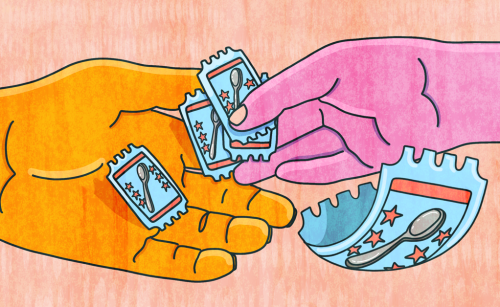
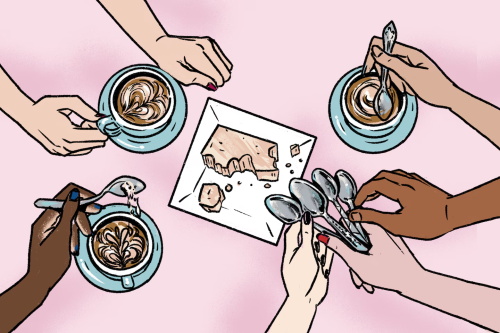
In this context, the book Sick and Tired introduces a highly creative concept—the “Spoon Theory”—to help people understand the real struggles of those with depression. Its author, Christine Miserandino, who has long suffered from mental illness, compares a person’s energy to “spoons,” illustrating how chronic conditions deplete life energy.
Specifically, one spoon represents the energy required to accomplish a single task. For a young, healthy person, spoons are almost abundant, often leaving extra at the end of the day. But for someone with chronic illness or psychological distress, available spoons are heavily consumed by disease, depression, and anxiety, making even daily tasks exhausting.
Christine herself suffers from high-functioning depression, severe anxiety, mild self-harming tendencies, avoidant personality disorder, social anxiety, mild obsessive-compulsive disorder, as well as physical conditions such as rheumatoid arthritis and immune deficiencies. She has battled mental illness since middle school and had over twenty years of experience living with these conditions when writing her book.
Through the Spoon Theory, she visualizes complex psychological energy depletion, helping others understand: a person with depression has very few spoons to use each day, and completing even one task can consume most of their energy.
Applying the Spoon Theory and Self-Regulation
Christine also proposes a humorous yet philosophical self-regulation method: “I have more spoons than Galileo.” She explains that Galileo is long gone and had no spoons that day; even if she merely took a shower, she accomplished more than Galileo. Thus, there is no need to feel guilty for having a limited number of spoons.
The value of the Spoon Theory lies not only in helping us understand the struggles of those with depression but also in reminding us that the energy required for everyday tasks is a heavy burden for them. For those with limited spoons, every action must be carefully considered to avoid running out of energy too quickly.
In real life, if you have plenty of spoons, you can try to help loved ones or friends who have fewer, sharing some daily tasks. This not only eases their stress but can create positive emotional feedback for both parties. For those with limited spoons, it is essential to learn how to allocate energy wisely: refuse unnecessary tasks, rest appropriately, and ask for help to avoid exhausting yourself prematurely. Protecting your energy is more important than pushing yourself to the limit.
Emotional Management: From Consumption to Awareness
Many people misunderstand emotional management, often believing they should suppress feelings as they arise. However, emotional outbursts are not the cause but the result—they are inevitable reactions to being repeatedly “hit” by small events and overconsuming energy. In other words, emotional outbursts are a signal of energy depletion, not unreasonable behavior.
True emotional management is not simply suppressing feelings but learning to notice these subtle “hits.” Becoming aware of your energy use and understanding how your daily actions consume it is at the heart of emotional regulation.
A practical method is to keep an emotional log. Similar to a diary but simpler, it only records three items: time, event, and intensity of emotion. You can rate emotional intensity on a scale from -10 to 10. This practice helps develop awareness, drawing attention to seemingly minor events that continuously drain your energy. Especially for events rated -1 to -4, they may seem trivial but can accumulate stress over time, potentially triggering emotional collapse.
Balancing Suppression and Authenticity
Awareness is just the first step. The next is finding a balance between suppression and authenticity. One way to practice this is to think about what you truly want to say or do, without worrying about consequences, and write it down. You don’t have to act on it—this process simply helps reconnect with the suppressed parts of yourself and strengthens self-awareness.
In daily life, small tasks constantly consume everyone’s energy. Some people handle them calmly, while others experience emotional breakdowns from cumulative depletion. The key is in how we respond: whether to suppress or to be authentic. Excessive suppression itself consumes energy, so facing part of life authentically within your capacity is a more energy-efficient and effective strategy.
For those in difficult situations, full authenticity may not be possible, leaving suppression as the only option. In this case, the most important thing is to show compassion and understanding toward one’s own emotions. This is not indulgence but a way to reduce unnecessary energy consumption and reserve energy for more significant emotional responses.
Paying Attention to Yourself and Valuing Your Well-Being
Through the practice of keeping an emotional log, we can gradually improve self-awareness and refocus attention on ourselves. Learning to notice, value, and care for yourself is far more protective of your mental health than constantly accommodating or pleasing others.
The Spoon Theory reminds us that everyone has limited energy. Limited spoons make it easier to understand why some people feel exhausted by the end of the day and why tasks must be considered carefully. Learning to allocate your spoons wisely, minimize unnecessary depletion, and ask for help when needed is crucial for maintaining mental health.
It also helps us better understand others. Showing empathy and support to loved ones or friends with limited spoons is far more meaningful than criticism or judgment. As Christine Miserandino conveys through her books and blogs: life is filled with difficulties, but every tiny moment of joy is a victory. Even if you only accomplish a little each day, you can still create meaningful life experiences with your limited spoons.
Conclusion
Depression and chronic fatigue are invisible drains on energy. The Spoon Theory provides a vivid, easy-to-understand explanation, allowing us to see the reality of limited energy. Through awareness and record-keeping, we can identify the small drains in daily life, learn to balance suppression and authenticity, and manage energy wisely to protect our mental health.
Everyone faces unavoidable small tasks that consume our spoons, but by understanding ourselves, caring for ourselves, and allocating energy thoughtfully, each day can become more manageable and gentle. Limited spoons are not a tragedy; what matters is learning to be kind to yourself and understanding and supporting the limited spoons of others. Life need not be a race—allowing space to breathe and show yourself compassion is the key to facing challenges over the long term.
FAQ
1. What exactly is the Spoon Theory?
The Spoon Theory is a metaphor that represents a person’s daily energy as a limited number of “spoons.” Each activity—physical, emotional, or mental—costs a certain number of spoons. Once they are used up, the person has little or no energy left.
2. Is the Spoon Theory only for people with chronic illness?
No. While it originated in the chronic illness community, it is widely used by people experiencing depression, anxiety, burnout, neurodivergence, and even high stress levels.
3. Is keeping an emotional log really helpful?
Yes. Tracking small emotional responses can increase self-awareness and help identify patterns of energy drain. Over time, this can support better emotional regulation and decision-making.
4. How can loved ones support someone with limited energy?
Support can include offering practical help, reducing judgment, respecting boundaries, and acknowledging that invisible fatigue is real—even if it’s not outwardly visible.
5. When should someone seek professional help?
If fatigue, emotional overwhelm, or depressive symptoms persist for weeks, interfere with daily functioning, or worsen over time, professional support from a therapist or healthcare provider is recommended.
References
1. American Psychiatric Association. (2022). Diagnostic and statistical manual of mental disorders (5th ed., text rev.). [https://doi.org/10.1176/appi.books.9780890425787]
2. Fried, E. I., & Nesse, R. M. (2015). Depression sum-scores don’t add up: Why analyzing specific depression symptoms is essential. BMC Medicine, 13, 72. [https://doi.org/10.1186/s12916-015-0325-4]
3. Hofmann, S. G., Asnaani, A., Vonk, I. J., Sawyer, A. T., & Fang, A. (2012). The efficacy of cognitive behavioral therapy: A review of meta-analyses. Cognitive Therapy and Research, 36(5), 427–440. [https://doi.org/10.1007/s10608-012-9476-1]
4. National Institute of Mental Health. (2023). Depression: What you need to know. [https://www.nimh.nih.gov/health/topics/depression]
About the Author
Isabelle Laurent, MSc
Isabelle Laurent is a mental health writer and behavioral science researcher with a background in psychology and health communication. She holds a Master’s degree in Cognitive and Clinical Psychology and focuses on translating complex emotional and psychological concepts into accessible, compassionate content. Her work often explores lived experiences of mental health, resilience, and self-regulation strategies.
Editorial Transparency Statement
This article is intended for educational and informational purposes only. It combines psychological concepts, lived-experience frameworks (such as the Spoon Theory), and evidence-based insights from mental health research. It does not promote or endorse any specific therapy, product, or intervention. All content is created independently with the goal of improving understanding and empathy around mental health experiences.
Disclaimer
This content is not a substitute for professional medical or psychological advice, diagnosis, or treatment. Depression and chronic fatigue are complex conditions that may require individualized care. If you or someone you know is experiencing persistent emotional distress, fatigue, or difficulty functioning, please seek support from a qualified healthcare provider or licensed mental health professional. If you are in crisis, contact local emergency services or a mental health hotline immediately.
Recommend for you:
The Link Between Oral Health and Systemic Diseases
Oral health has long been considered a separate realm of personal care, focusing mainly on cavities, gum disease, and fresh breath.
How Sugar Alternatives Like Allulose and Monk Fruit Impact Health
As a result, sugar substitutes (sweeteners) have gained popularity and have made their way into beverages, snacks, baked goods, and even health supplements.
The Spoon Theory and Depression: Explaining Your Finite Energy to Loved Ones
Fatigue, boredom, and clumsiness—these words seem to pervade almost every aspect of modern life.
The Link Between Diet and Autoimmune Diseases
Among the complex health challenges faced by humans today, autoimmune diseases have gradually emerged as a major area of concern.