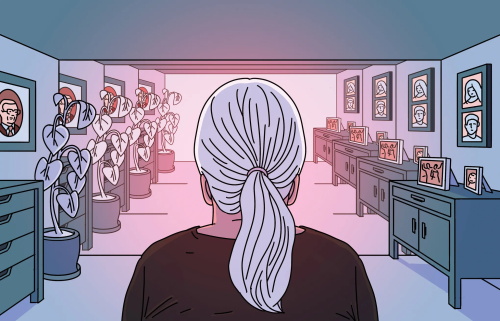
The Silver Tsunami: Understanding and Managing Depression in Older Adults Beyond Just "Feeling Sad"
Reading Time: 10–12 minutes
Key Highlights
- Why is depression in older adults often overlooked or misdiagnosed?
- How do anxiety, sleep problems, and chronic illness reinforce each other?
- What role does retirement play in triggering emotional vulnerability?
- How can families recognize early warning signs of mental health decline?
- What interventions are most effective in improving late-life mental health?
In the public imagination, aging is often seen as a natural and gradual process. Many people assume that as long as older adults remain physically healthy, free from serious illness, and able to enjoy a stable life, they have reached an ideal state. Loneliness and sadness are often perceived as inevitable companions of old age. However, as societies around the world face increasingly rapid aging, research and clinical experience are showing a different reality: mental health problems in older adults—especially depression and anxiety—are not merely a “normal part of aging.” Instead, they represent serious health conditions that require scientific understanding, early detection, and active intervention.
Depression in later life is far more complex than simply experiencing low mood. It can manifest through a wide variety of symptoms and can directly impact physiological functioning and overall quality of life. Ignoring or misinterpreting these symptoms can not only deepen an older adult’s suffering but also lead to potentially severe consequences.
Late-Life Depression: The Overlooked “Invisible Killer”
Depression is among the most common mental health issues in older adults, yet its clinical presentation often differs from depression seen in younger populations. Many older adults do not openly report feelings of sadness or hopelessness. Instead, they may primarily complain of recurrent physical discomfort. Chronic pain, digestive disturbances, dizziness, fatigue, and other ailments that persist despite repeated medical examinations are frequently signs of underlying depression.
Other older adults may experience notable changes in temperament, becoming irritable or prone to disproportionate emotional reactions over minor matters. Family members often interpret this as a decline in personality or “grumpiness,” without realizing it may reflect a depressive state.
Cognitive function may also be affected. Late-life depression is often accompanied by significant memory decline, a phenomenon sometimes referred to as “pseudodementia.” This can be easily misdiagnosed as Alzheimer’s disease or another neurodegenerative disorder. If not correctly identified, older adults may spiral into repeated hospital visits and misdiagnoses, compounding feelings of helplessness. Even more concerning is that suicide risk is significantly elevated among older adults with depression, particularly among men who live alone, have lost a spouse, or are grappling with chronic illness—making them a high-risk population.

Anxiety: A Coexisting Mental Health Challenge
Anxiety disorders are equally prevalent in older populations, presenting in diverse ways. Some older adults exhibit excessive worry about their health, interpreting even minor physical discomfort as a sign of serious illness. Others become hyper-vigilant about daily routines, excessively concerned about the safety of family members, or fearful of being alone. Some experience sudden panic attacks, presenting with heart palpitations, chest tightness, sweating, or even intense feelings of impending doom.
Depression and anxiety frequently reinforce each other, creating a self-perpetuating loop. Anxiety disrupts sleep patterns, causing insomnia or early awakening, which in turn exacerbates depressive symptoms and cognitive decline. Studies indicate that among older adults with sleep disturbances, up to 72% also exhibit anxiety symptoms, creating a self-reinforcing cycle: the more anxious one becomes, the less one sleeps; the less one sleeps, the more anxiety intensifies.
Psychological and Social Factors: The “Cliff” of Retirement
From a psychological perspective, retirement represents a major transition in an older adult’s life. Research shows that individuals who experience abrupt or sudden retirement have a 2.3-fold higher risk of depression compared to those with gradual transitions. Work provides not only financial stability but also a sense of social role and personal value. Losing that occupational identity often leads to a decline in self-worth and a crisis of self-recognition.
Concurrently, the changing family dynamic—children growing up and becoming independent—may diminish parental roles, and age-related physical decline can reverse roles from caregiver to care recipient. This shift can be psychologically jarring.
Older adults with perfectionist tendencies, strong adherence to routines, or heavy reliance on professional identity are particularly vulnerable to adaptation challenges. Reduced social participation and limited interpersonal engagement, along with insufficient support networks, further amplify the risk of mental health problems.
Physiological Aging and Its Psychological Effects
The biological processes of aging themselves profoundly influence mental health. As the brain ages, neurons gradually decline, and neurotransmitter levels—such as serotonin and dopamine—decrease, directly affecting mood regulation and cognitive function. At the same time, sensory decline (e.g., hearing and vision loss) hampers communication with the outside world, increasing isolation and misunderstanding. Deterioration of the musculoskeletal system limits mobility, shrinking an older adult’s activity radius and heightening feelings of frustration and helplessness.
Research indicates that adults over the age of 80 represent a particularly high-risk group for mental health challenges, correlating closely with comprehensive physiological decline.
Chronic Illness and Medication Side Effects: A Double Burden
Approximately 50%–70% of older adults live with at least one chronic condition, such as hypertension, diabetes, or coronary heart disease. These illnesses not only create physical discomfort but also entail repeated medical visits and financial strain. Chronic pain, in particular, significantly increases the risk of depression and anxiety. Certain diseases, such as cerebrovascular conditions or Parkinson’s disease, directly affect brain function and may precipitate depressive or cognitive symptoms.
Mental health issues can also worsen the course of chronic illnesses. For instance, depression is a major risk factor for poor outcomes in patients with coronary heart disease, and the prevalence of depression in these patients is significantly higher than in the general population. Polypharmacy—common among older adults—adds another layer of complexity, as adverse drug reactions can provoke or exacerbate depression. Reduced metabolic and drug-processing capacity in older adults further complicates pharmacological interventions.
Early Detection: Recognizing Hidden Signals
Older adults often hesitate to openly express psychological distress, making early recognition critical. Common warning signs include:
- Emotional changes: Persistent low mood, irritability, or indifference to activities; frequent unexplained crying or anger.
- Cognitive changes: Memory decline, repeated questioning, decision-making difficulties, or disorientation regarding time and place.
- Behavioral changes: Social withdrawal, reluctance to leave home, deterioration in personal hygiene, disrupted eating or sleep patterns.
- Physical symptoms: Headaches, palpitations, gastrointestinal discomfort, or other unexplained bodily complaints.
- Verbal hints: Expressions of worthlessness, excessive self-blame, or unusual preoccupation with death or dying.
Seemingly minor changes may conceal underlying depression or anxiety, and families must remain alert and attentive to such signals.
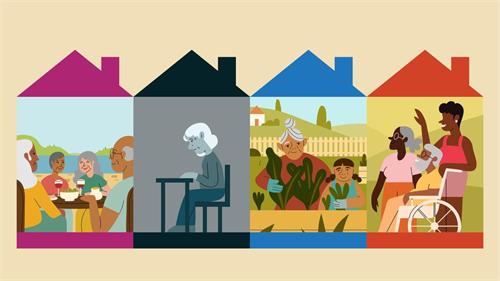
Scientific Interventions: Stratified Care and Individualized Approaches
Effective interventions should be tailored according to the severity of depression:
- Mild depression (GDS 5–9): Cognitive-behavioral therapy (CBT) is recommended, typically delivered in 8–12 structured sessions to help correct catastrophic thinking patterns. For example, reframing “Being ill is a burden” as “Timely treatment can reduce stress on family members.”
- Moderate depression (GDS 10–14): A combination of pharmacotherapy (e.g., sertraline) and interpersonal psychotherapy is suggested. Careful monitoring of drug interactions with other medications is essential, with blood levels checked biweekly.
- Severe depression (GDS ≥15): Hospital-based interventions may be necessary, often combined with physical treatments such as repetitive transcranial magnetic stimulation (rTMS). For patients with suicidal ideation or refusal to eat, a coordinated “family–community–psychiatric” emergency response should be promptly activated.
Acceptance and Support: The Power of Family and Society
Addressing mental health issues in older adults extends beyond medicine—it is a social and familial responsibility. Acceptance of aging forms the foundation of psychological well-being. Mental health professionals often advise older adults to practice the “Three Forgets”: forget age, forget illness, and forget grudges. Acceptance does not imply passivity; rather, it encourages a positive mindset toward life changes. Aging is not the end of value but a period of accumulating experience and wisdom.
Family support plays an especially crucial role. Understanding and companionship often provide more comfort than material provision. Effective communication emphasizes listening over instructing and understanding over judgment. Providing opportunities for older adults to share life experiences and memories reinforces a sense of continuity and meaning. When negative emotions arise, they should be addressed seriously rather than ignored.
A New Perspective on Aging
As the global population ages, late-life depression is no longer a rare occurrence but a societal challenge that demands collective attention. Psychological issues in older adults are often subtle and complex, manifesting as physical complaints, changes in temperament, or social withdrawal. Only by establishing comprehensive systems for detection, intervention, and support can we help older adults emerge from psychological distress.
Aging is not synonymous with decline; it represents another stage of life. Through acceptance and understanding, older adults can rediscover their value and dignity, allowing later life to be a period of genuine enjoyment rather than a cage of loneliness and suffering. With proper care, compassion, and societal support, the “silver years” can truly become a time of fulfillment and peace.
FAQ
1. Is depression a normal part of aging?
No. While aging involves life changes and challenges, depression is not a normal or inevitable part of growing older. It is a medical condition that can and should be treated.
2. Why do older adults often show physical symptoms instead of emotional ones?
Older adults may:
- Express distress through physical discomfort (somatization)
- Be less likely to verbalize emotional struggles due to cultural or generational factors
This makes depression harder to recognize.
3. How can I tell the difference between depression and dementia?
They can overlap, but key differences include:
- Depression-related cognitive decline (“pseudodementia”) may improve with treatment
- Dementia tends to show progressive and irreversible decline
A professional evaluation is essential for accurate diagnosis.
4. What are the biggest risk factors for late-life depression?
Major risk factors include:
- Chronic illness
- Social isolation
- Loss of a spouse or loved ones
- Sudden retirement
- Reduced mobility or independence
5. Can older adults safely take antidepressants?
Yes, but with caution. Treatment requires:
- Careful dose adjustment
- Monitoring for drug interactions
- Regular follow-up
Non-drug therapies (like CBT) are often used alongside medication.
6. What can families do to help?
Families can:
- Provide emotional support and companionship
- Encourage social participation and routine
- Listen without judgment
- Watch for early warning signs
Consistent human connection is one of the most powerful protective factors.
7. When should professional help be sought?
Seek help if an older adult shows:
- Persistent low mood or withdrawal
- Sleep or appetite changes
- Expressions of hopelessness or death
- Sudden personality or cognitive changes
Early intervention significantly improves outcomes.
References
- World Health Organization. (2023). Mental health of older adults. https://www.who.int/news-room/fact-sheets/detail/mental-health-of-older-adults
- Reynolds, C. F., Cuijpers, P., Patel, V., Cohen, A., Dias, A., Chowdhary, N., Okereke, O. I., & Dew, M. A. (2022). Early intervention to reduce the global health and economic burden of major depression in older adults. Annual Review of Public Health, 43, 123–139.
- Alexopoulos, G. S. (2019). Mechanisms and treatment of late-life depression. Translational Psychiatry, 9(1), 188.
- Taylor, W. D. (2021). Clinical practice. Depression in the elderly. New England Journal of Medicine, 385(17), 1579–1587.
About the Author
Dr. Jonathan Mercer, MD, Geriatric Psychiatry Specialist
Dr. Jonathan Mercer is a board-certified psychiatrist specializing in geriatric mental health, with over 15 years of clinical and research experience in late-life depression, anxiety disorders, and cognitive aging.
Dr. Mercer’s work focuses on bridging the gap between clinical research and real-world care, helping families and caregivers better understand the complex psychological needs of older adults.
Disclaimer
This content is provided for general informational purposes only and does not constitute medical, psychiatric, or psychological advice.
It is not a substitute for professional diagnosis or treatment
Always consult a licensed healthcare provider for concerns about mental health or medical conditions
In cases of emergency or suicidal thoughts, seek immediate assistance from local emergency services or crisis hotlines
Recommend for you:

Perimenopause and Your Brain: Navigating Anxiety, Fog, and Mood Swings Before Menopause
When most people hear the term perimenopause, they immediately think of hot flashes, night sweats, or irregular periods.
The Hormonal Rollercoaster: Mapping Mental Health Across a Woman's Life (Puberty, PMDD, Pregnancy, Perimenopause)
A woman’s life can feel like riding a “hormonal rollercoaster,” with both body and mind experiencing constant ups and downs.
The Gut-Skin Connection: How Your Diet and Microbiome Influence Eczema and Psoriasis
When it comes to chronic skin conditions such as eczema and psoriasis, most people focus on topical creams, steroid treatments, or lifestyle triggers like stress.
Sex Differences in Inherited Diseases: Unlocking the Mystery
What is particularly intriguing is that certain hereditary diseases manifest differently between men and women.